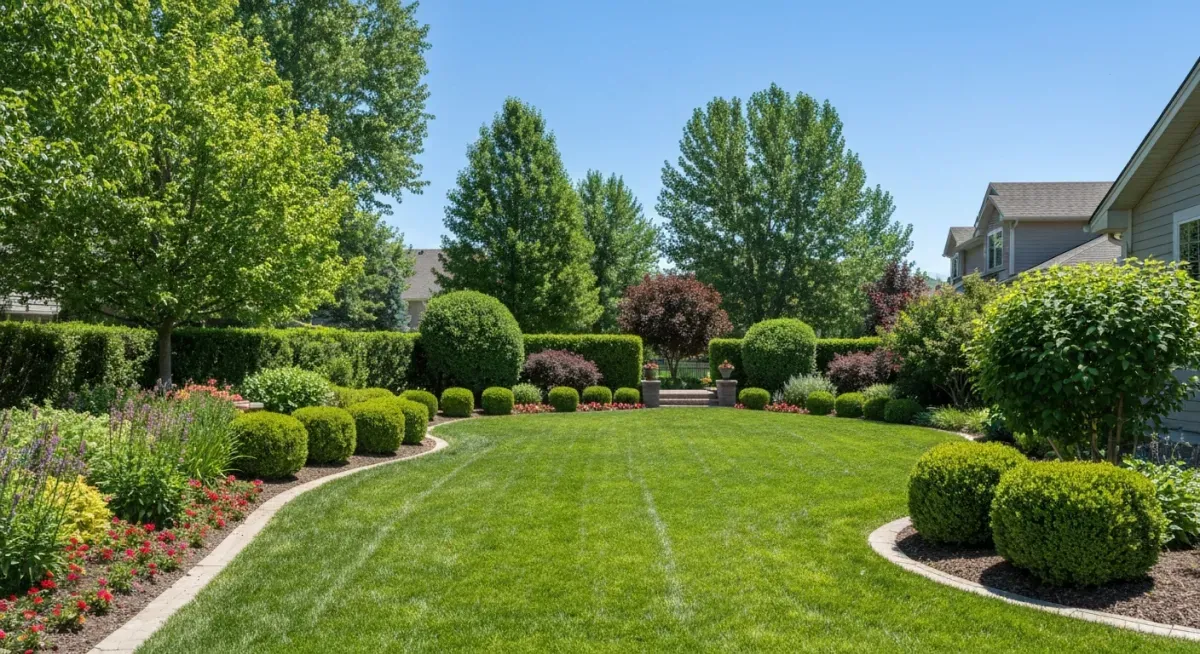
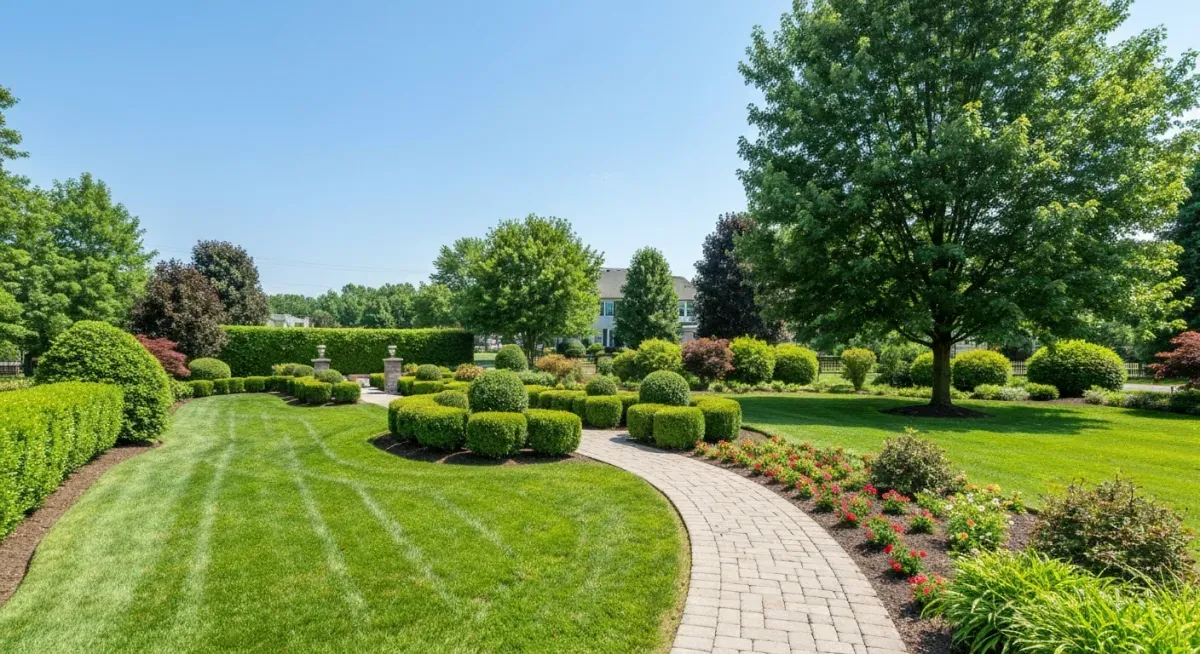
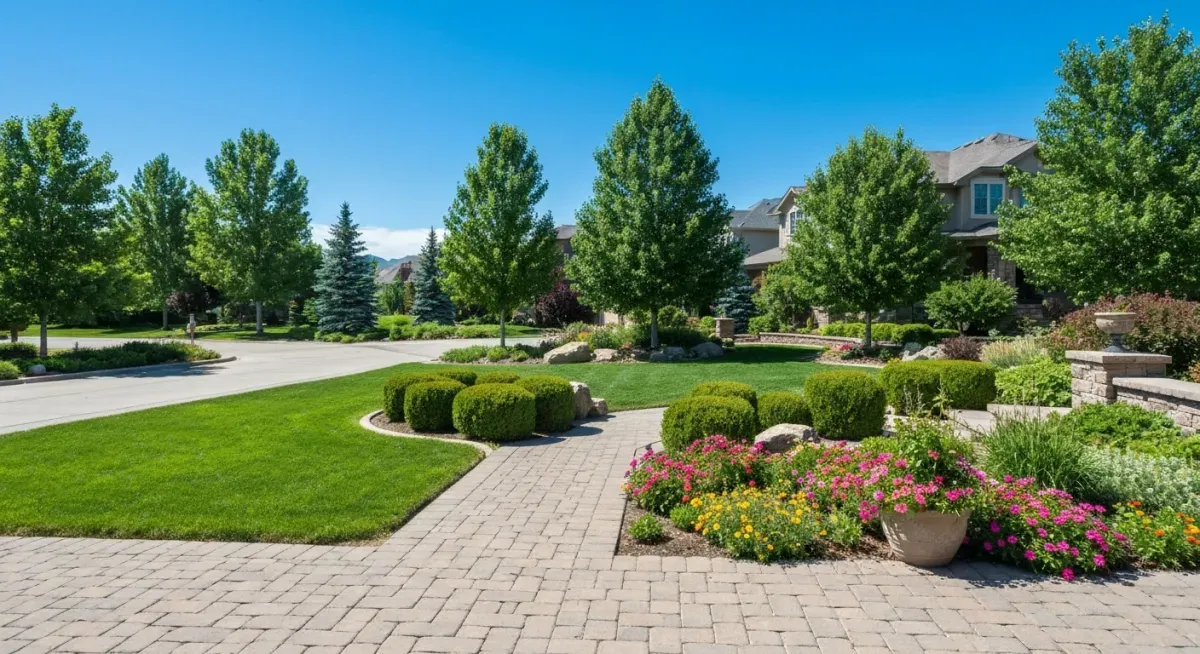
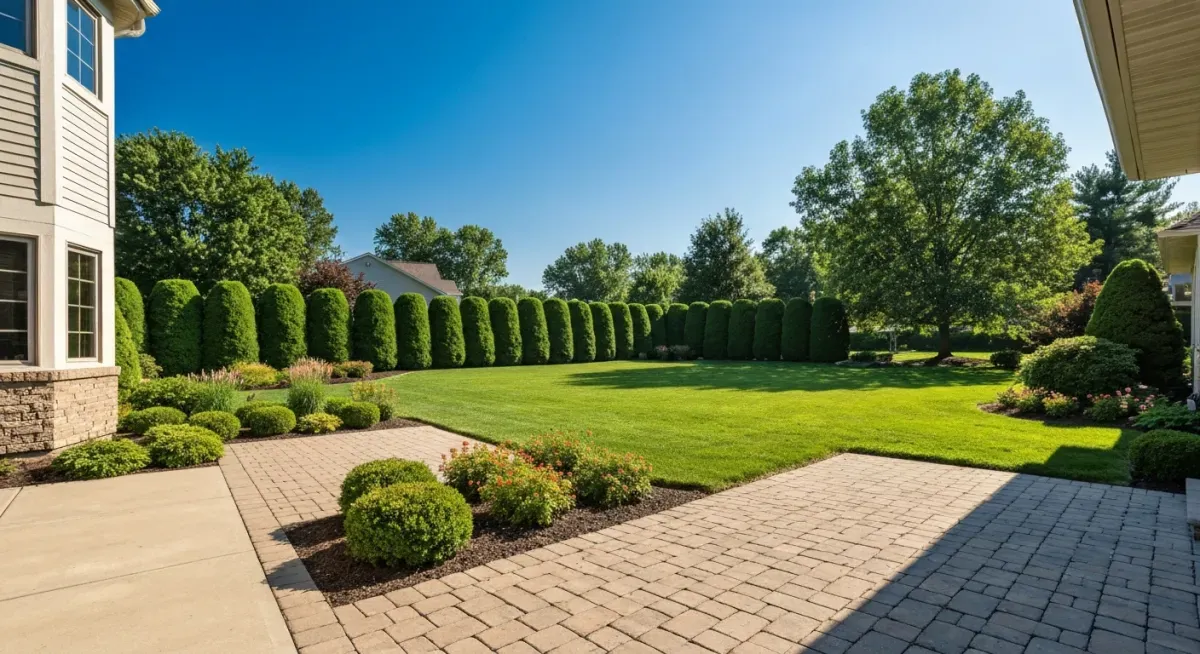
Salt Lake City backyards take a beating. Between scorching summer afternoons and brutal winter freeze cycles, outdoor surfaces need to handle extremes. That's why paver patio installation Utah homeowners invest in has become the go-to choice for lasting outdoor living spaces. Whether you're looking at a cozy entertaining area near Sugar House Park or a sprawling backyard retreat in the Avenues, pavers deliver the durability and style this climate demands.
A well-installed paver patio transforms how you use your outdoor space. It creates defined areas for dining, lounging, and gathering. It adds property value. And when done right, it lasts decades with minimal upkeep.
This guide covers everything you need to know about installing a paver patio in the Salt Lake Valley. From material selection to maintenance, you'll learn what makes a paver installation successful in Utah's unique conditions.
Why Salt Lake City Homeowners Choose Paver Patios
Paver patios outperform poured concrete in almost every measurable way. They're stronger. They're more flexible. And they look better doing it.
Salt Lake City homeowners face specific challenges that make pavers the smart choice. The dramatic temperature swings along the Wasatch Front punish rigid surfaces. Pavers handle this stress without cracking.
Durability in Utah's Freeze-Thaw Climate
Utah experiences over 100 freeze-thaw cycles annually. Each cycle forces water into surface cracks. That water expands when it freezes. The result? Cracked concrete, heaved slabs, and expensive repairs.
Pavers solve this problem through flexibility. The joints between individual pavers allow natural movement. When the ground shifts, pavers shift with it. No cracks. No structural damage.
Quality pavers also absorb less water than poured concrete. This means less moisture penetration during those critical freeze cycles. The base layer beneath properly installed pavers promotes drainage away from the surface.
Design Options for Every Backyard Style
Your patio should match your home's architecture. Pavers make this possible through endless combinations of colors, shapes, sizes, and patterns.
Modern Salt Lake City homes pair well with clean-lined concrete pavers in gray or charcoal tones. Traditional properties look stunning with tumbled stone patterns that mimic old-world craftsmanship. Craftsman bungalows throughout the Salt Lake Valley often feature natural stone pavers that complement their original character.
Pattern choices multiply your options further. Herringbone patterns add visual interest and resist shifting under foot traffic. Running bond patterns create clean, contemporary lines. Basket weave patterns deliver classic appeal with excellent structural integrity.
How Professional Paver Patio Installation Works
Paver patio installation involves far more than laying stones on dirt. The process requires precise engineering, proper materials, and skilled execution. Each step builds on the last. Skip one, and the entire project suffers.
Understanding the installation process helps you evaluate contractors and set realistic expectations for your project timeline.
Site Preparation and Base Layer
Proper site preparation determines long-term success. This phase takes the most time but delivers the most value.
The process starts with excavation. Crews dig down eight to twelve inches depending on soil conditions and intended use. Salt Lake City's clay-heavy soils require deeper excavation and more robust drainage solutions than sandy soils elsewhere.
Next comes the base layer. Crushed gravel goes down in lifts, compacted with plate compactors between each layer. This creates a stable foundation that drains water and resists settling.
The setting bed follows. A thin layer of coarse sand provides the final leveling surface for paver placement. Precision matters here. Variations of even a quarter inch create visible problems in the finished surface.
Paver Laying and Pattern Selection
With the base prepared, paver installation begins. Experienced crews start from a fixed edge or corner and work outward. This ensures consistent spacing and pattern alignment.
Pattern selection happens before installation day. Complex patterns like herringbone require more cuts and more time. Simple running bond patterns install faster with less waste.
Edge restraints lock everything in place. These aluminum or plastic borders prevent edge pavers from migrating outward over time. Without them, joints widen and pavers shift.
Cutting pavers for edges and curves requires specialized saws. Quality installations use wet saws that produce clean, precise cuts. Poorly cut pavers stand out and compromise the finished look.
Joint Sanding and Sealing
Polymeric sand fills joints between pavers. This specially formulated material contains polymers that bind when wet. Once cured, it resists weed growth, insect infiltration, and erosion.
The sanding process involves sweeping material into joints, vibrating it down with compactors, and adding more until joints fill completely. Water activates the polymers and starts the curing process.
Sealing provides optional additional protection. Sealers enhance color, resist staining, and add a subtle sheen. In Utah's intense sun, sealers also protect against UV fading. Most [paver patios and walkways](/paver-patios-walkways) benefit from sealing within the first year of installation.
Best Paver Materials for Utah Weather
Material choice is critical to successful paver patio installation Utah homeowners should carefully consider. Utah's climate narrows the field to materials that handle freeze-thaw, UV exposure, and occasional drought.
Not every paver works equally well here. Understanding your options helps you make smart investments.
Concrete Pavers vs Natural Stone
Concrete pavers dominate the market for good reason. They're affordable, consistent, and available in countless styles. Manufacturing processes create uniform pieces that install efficiently.
Modern concrete pavers mimic natural stone convincingly. Textured surfaces, varied coloring, and tumbled edges blur the line between manufactured and quarried materials. They cost significantly less than natural stone while lasting just as long with proper installation.
Natural stone pavers offer unmatched authenticity. Flagstone, travertine, and bluestone each bring unique character. No two pieces look identical. This appeals to homeowners seeking distinctive outdoor spaces.
Natural stone costs more upfront and requires skilled installation. Some varieties need periodic sealing. But they add undeniable value and timeless appeal to high-end properties.
Color and Texture Choices That Last
Color selection requires long-term thinking. Trendy shades fade from style. Classic earth tones, grays, and warm neutrals maintain appeal for decades.
Integral coloring runs through concrete pavers completely. Surface stains and coatings wear over time. Integral color lasts because the pigment exists throughout the material, not just on top.
Texture affects both safety and appearance. Smooth pavers look sleek but get slippery when wet. Textured surfaces provide traction while hiding dirt between cleanings. Consider how you'll use the space when selecting texture.
Utah's intense sun fades some materials faster than others. Ask contractors about fade warranties. Quality manufacturers back their products against significant color change.
What Paver Patio Installation Costs Along the Wasatch Front
Budget questions come up early in every project conversation. Paver patio installation costs vary widely based on multiple factors. Understanding these variables helps you plan realistically.
Factors That Affect Your Project Price
Several elements determine your final investment:
- Square footage provides the base calculation, with larger patios often having lower per-square-foot rates due to economies of scale
- Site conditions like slopes, poor drainage, or limited access significantly impact excavation and preparation costs
- Material selection creates the biggest price swings, from basic concrete pavers to imported natural stone
- Additional features such as built-in fire pits, [outdoor kitchens](/outdoor-kitchen), seating walls, and steps require specialized installation
These elements transform basic patios into complete outdoor living areas but increase budgets accordingly.
Getting an Accurate Estimate
Accurate estimates require site visits. Phone quotes based on rough measurements miss critical details. Reputable contractors visit properties before providing detailed proposals.
Ask for itemized quotes showing labor, materials, and preparation costs separately. This transparency helps you compare contractors fairly and understand where money goes.
Request references from completed projects similar to yours. Photos help, but speaking with actual customers reveals installation quality, professionalism, and follow-through.
The [hardscaping](/hardscaping) professionals at Pro Landscaping provide detailed written estimates after thorough site evaluations. No surprises. No hidden costs.
How Long Does Paver Installation Take in Salt Lake City
Timeline expectations affect planning decisions. Knowing how long paver patio installation Utah projects require helps you schedule events and manage disruptions.
Average residential paver patio installation takes three to seven days. Simple projects with easy access and minimal prep complete faster. Complex designs on challenging sites take longer.
Weather affects scheduling. Rain delays compaction and prevents proper sand curing. Extreme cold compromises base preparation. Spring and fall offer ideal installation conditions in Salt Lake City.
The permitting process adds lead time. Most residential patios require minimal permits, but properties in historic districts or with HOA requirements face additional steps. Start conversations with contractors early to avoid delays.
Contractor schedules fill quickly during peak season. Booking several months ahead ensures your preferred timing. Waiting until summer to schedule means potentially waiting until fall for installation.
Caring for Your Paver Patio Year-Round
Pavers require minimal maintenance compared to other patio surfaces. But some care keeps them looking their best and extends their already long lifespan.
Seasonal Maintenance Tips
Each season brings specific maintenance priorities:
- Spring cleaning removes winter debris and salt residue with a pressure washer, avoiding excessive pressure that can displace joint sand
- Summer means weed patrol, pulling weeds early before roots establish and using spot treatments for persistent problems
- Fall requires clearing leaves before they decompose and stain pavers, especially under trees dropping berries or sap
- Winter snow removal works best with plastic shovels to prevent scratching, using sand or kitty litter for traction instead of rock salt
When to Reseal Your Pavers
Sealed pavers need periodic refreshing. Most sealers last two to four years depending on sun exposure and foot traffic.
Signs of needed resealing include faded color, visible water absorption, and dulled finish. Catching these early protects your investment.
Professional resealing costs less than initial installation. Some homeowners tackle this job themselves with rental equipment and quality sealers. Either approach works with proper preparation.
Joint sand occasionally needs replenishment. Heavy rains or aggressive cleaning can displace material over time. Topping off joints maintains structural integrity and weed resistance.
Start Your Paver Patio Project With Pro Landscaping
Paver patio installation Utah homeowners count on starts with experienced professionals who understand local conditions. The Salt Lake Valley presents unique challenges. Clay soils. Dramatic temperature swings. Intense sun exposure.
Pro Landscaping has built paver patios across Salt Lake City and surrounding communities for years. Our team handles everything from simple backyard patios to elaborate outdoor living spaces with integrated kitchens, fire features, and water elements.
Every project begins with a thorough consultation. We assess your site, discuss your vision, and provide detailed recommendations. You'll know exactly what to expect before work begins.
Browse our [gallery](/gallerypage) to see completed paver installations throughout the Wasatch Front. Then contact us to start planning your project. Your ideal outdoor living space is closer than you think.
Paver Walkway Installation for Farmington Homes Farmington homeowners know their properties deserve pathways that match the beauty of the Wasatch Mountains.…
Best Paver Materials for Utah Homes in Draper Draper homeowners know their outdoor spaces take a beating. Between the Wasatch Front's harsh winters and intense…