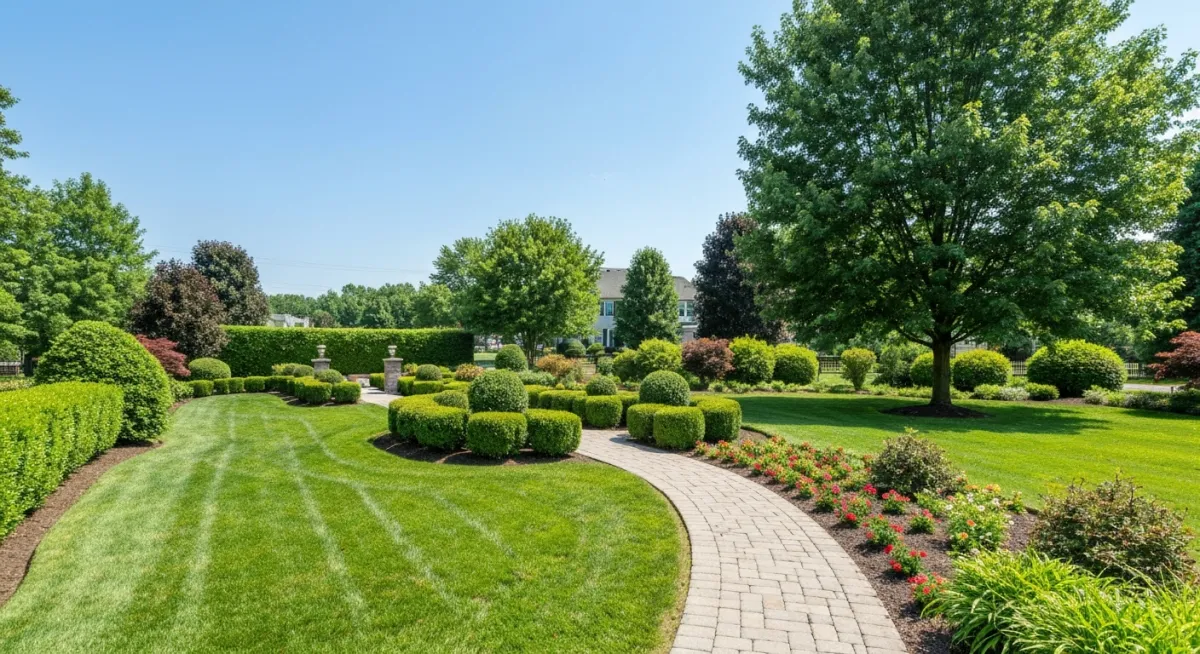
Paver walkway ideas to boost your Utah home's curb appeal
Farmington homeowners know their properties deserve pathways that match the beauty of the Wasatch Mountains. From historic Main Street to the newer developments near Station Park, paver walkway installation has become the go-to upgrade for residents who want lasting curb appeal. The combination of Farmington's clay-heavy soils and dramatic temperature swings makes professional installation essential for walkways that perform year after year.
A well-designed paver walkway does more than connect your driveway to your front door. It creates an inviting entrance. It defines garden spaces. It handles foot traffic without cracking like poured concrete often does in Utah's climate.
This guide covers everything Farmington homeowners need to know about paver walkway installation. From material selection to maintenance, you'll understand what goes into creating a walkway that lasts decades.
Back to BlogWhy Farmington Homeowners Choose Paver Walkways
The decision to install a paver walkway comes down to practical benefits and visual impact. Farmington residents face unique challenges that make pavers the smart choice over poured concrete or gravel alternatives.Durability Through Utah's Freeze-Thaw Cycles
Farmington experiences over 100 freeze-thaw cycles annually. That constant expansion and contraction destroys rigid surfaces. Poured concrete develops cracks within a few seasons. Those cracks widen. Water seeps in. The damage accelerates. Paver walkways handle this differently. Each individual paver can shift slightly without compromising the overall structure. The jointing sand between pavers allows for natural movement. When properly installed on a compacted base, pavers flex with the ground rather than fighting it. This matters especially in Farmington neighborhoods like Oakridge and Farmington Creek. The clay soils in these areas expand significantly when wet. A paver walkway installation designed for these conditions includes deeper base layers and appropriate drainage solutions.Increased Curb Appeal and Property Value
First impressions happen at the curb. A paver walkway signals quality and attention to detail. Real estate agents note that [hardscaping](https://prolandscapingut.com/hardscaping) improvements like paver walkways shape buyer first impressions and can strengthen offers. In Farmington's competitive housing market, exterior upgrades set properties apart. Whether you're near Lagoon or in the established neighborhoods closer to downtown, a professionally installed paver walkway creates immediate visual impact. The design flexibility helps too. Pavers come in countless colors, patterns, and textures. You can match your home's architecture precisely. A craftsman-style home might feature brick pavers in a traditional running bond pattern. A modern build could use large-format concrete pavers with clean lines.Popular Paver Styles for Wasatch Front Properties
Material selection determines both the appearance and performance of your walkway. Each paver type offers distinct advantages for Farmington's conditions.Natural Stone Pavers
Natural stone brings unmatched character to any walkway. Flagstone, bluestone, and travertine create organic-looking paths that complement Utah's natural landscape. Each piece is unique. The variation in color and texture creates visual interest that manufactured products cannot replicate. Stone pavers work exceptionally well in Farmington yards that embrace mountain aesthetics. They pair naturally with native plantings and boulder features. The irregular edges of flagstone create a relaxed, established look that suits properties backing up to the foothills. The trade-off is cost and installation complexity. Natural stone requires more labor to fit properly. Thickness variations demand careful attention during the laying process. But the results justify the investment for homeowners who prioritize authenticity.Concrete Pavers
Concrete pavers dominate the market for good reasons. Modern manufacturing produces pavers that resist fading, maintain consistent dimensions, and offer incredible pattern options. They're engineered specifically for the demands of walkway use. Interlocking concrete pavers are particularly popular for Farmington paver walkway installation projects. Their precisely machined edges lock together for a stable surface. This makes them ideal for high-traffic areas and steeper grades common in foothill properties. Tumbled concrete pavers mimic the weathered look of antique brick. They add old-world charm without the maintenance concerns of actual reclaimed materials. Many Farmington homeowners choose these for front walkways where traditional aesthetics matter.Brick Pavers
Classic brick never goes out of style. True clay brick pavers offer rich, warm colors that deepen over time. They've been used for walkways for centuries because they work. Brick pavers suit Farmington's historic areas particularly well. Homes near the original townsite benefit from brick's timeless appearance. The material connects new construction to the area's heritage. Modern brick pavers are fired at higher temperatures than historic versions. This makes them denser and more resistant to moisture absorption. That matters in Utah's climate where water penetration leads to freeze damage.The Paver Walkway Installation Process
Professional paver walkway installation follows a methodical process. Each step builds on the previous one. Cutting corners at any stage compromises the final result.Site Assessment and Design Planning
Every project starts with understanding the site. Soil conditions vary significantly across Farmington. Properties near Farmington Bay have different drainage needs than those in the benchlands. Clay content, existing vegetation, and slope all influence the installation approach. Design planning establishes the walkway route, width, and material specifications. A front entry walkway typically measures 4 feet wide minimum. Narrower paths feel cramped and create traffic flow problems. Wider walkways accommodate two people walking side by side comfortably. The design phase also addresses drainage. Water must move away from structures and off the walkway surface. This often requires subtle grading adjustments invisible in the finished product but essential for longevity.Base Preparation and Grading
Base preparation makes or breaks a paver walkway installation. This step takes the most time and involves the most labor. It's also completely invisible once finished. Excavation removes existing soil to the required depth. For walkways, this typically means 7 to 9 inches below the final surface level. The excavated area extends beyond the walkway edges to accommodate edge restraints. A compacted gravel base goes in next. Multiple layers get installed and compacted separately. This creates a stable foundation that distributes weight and promotes drainage. In Farmington's clay soils, the base depth often increases to compensate for soil movement. Bedding sand provides the final layer before pavers. This thin layer of coarse sand allows for precise leveling and cushions the pavers. It must be perfectly graded for the pavers to lie flat.Paver Laying and Finishing
With the base complete, the visible work begins. Pavers get placed according to the chosen pattern. Each piece is set carefully to maintain consistent joint spacing. Pattern alignment requires constant attention, especially with complex layouts. Cutting pavers for edges and curves takes skill and proper equipment. Clean cuts ensure tight fits against edge restraints and existing structures. Sloppy cutting creates gaps that look unprofessional and collect debris. Edge restraints secure the walkway perimeter. These hidden components prevent pavers from shifting outward over time. Without proper edge restraint, even well-installed walkways eventually spread and become uneven. Polymeric sand fills the joints as the final step. This specialized sand contains polymers that bind together when moistened. It locks pavers in place, resists weed growth, and prevents insect infiltration. Compacting the finished surface and activating the polymeric sand completes the installation.How Long Does Paver Walkway Installation Take
Timeline expectations help with planning. Most residential paver walkway installations in Farmington complete within 2 to 5 days. Simple straight walkways finish faster. Complex designs with curves, steps, or extensive cutting take longer. Weather impacts scheduling. Utah's unpredictable spring weather can cause delays. Ground must be dry enough to excavate and compact properly. Polymeric sand activation requires specific conditions too. The design and material selection phase adds time before installation begins. Ordering specialty pavers or natural stone may extend the overall project timeline by several weeks. Planning ahead, especially for summer installation, ensures materials arrive when needed.Caring for Your Paver Walkway in Utah Weather
Proper maintenance protects your investment and keeps your walkway looking great. Farmington's weather demands specific attention throughout the year.Seasonal Maintenance Tips
- Spring: Remove winter debris and salt residue. A pressure washer on low setting clears accumulated grime without damaging joint sand. Inspect for any frost heaving or settled areas that need attention.
- Summer: Minimal maintenance required. Occasional sweeping and rinsing handle normal dust and pollen accumulation. This is the ideal time to apply paver sealer if desired.
- Fall: Clear leaves promptly to prevent staining. Check drainage paths before winter precipitation arrives. Address any minor settling before freeze cycles begin.
- Winter: Avoid metal shovels that can chip paver surfaces. Use plastic shovels or snow blowers instead. Choose deicers carefully. Calcium chloride works effectively without damaging most pavers. Rock salt can cause surface deterioration over time.
