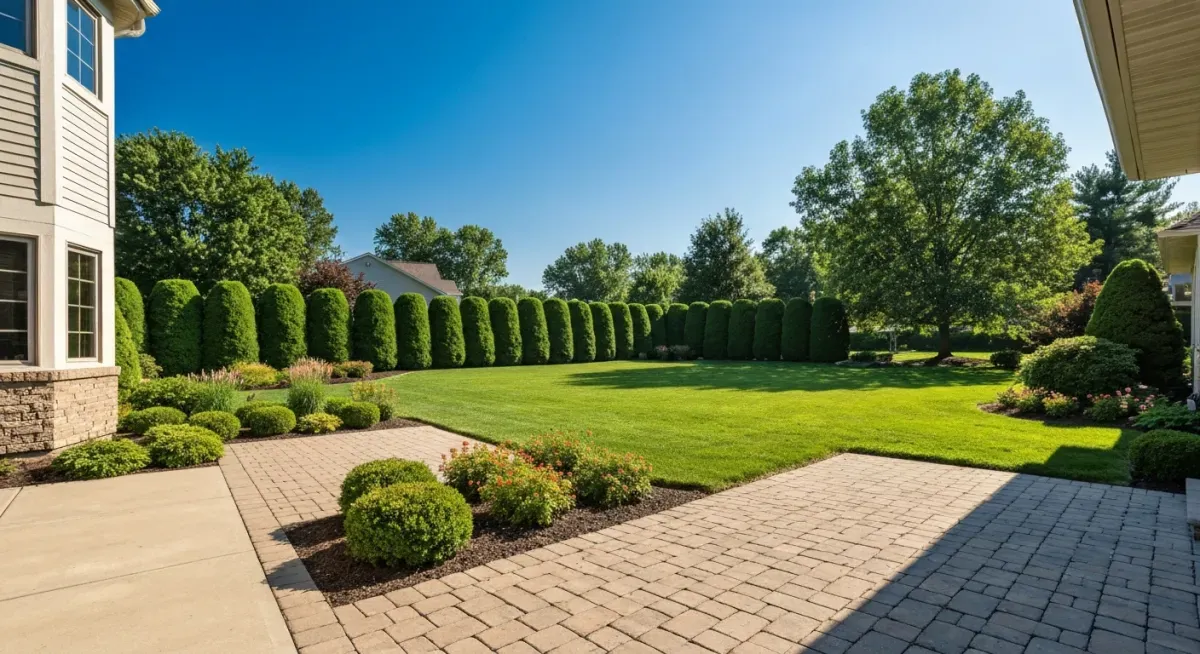
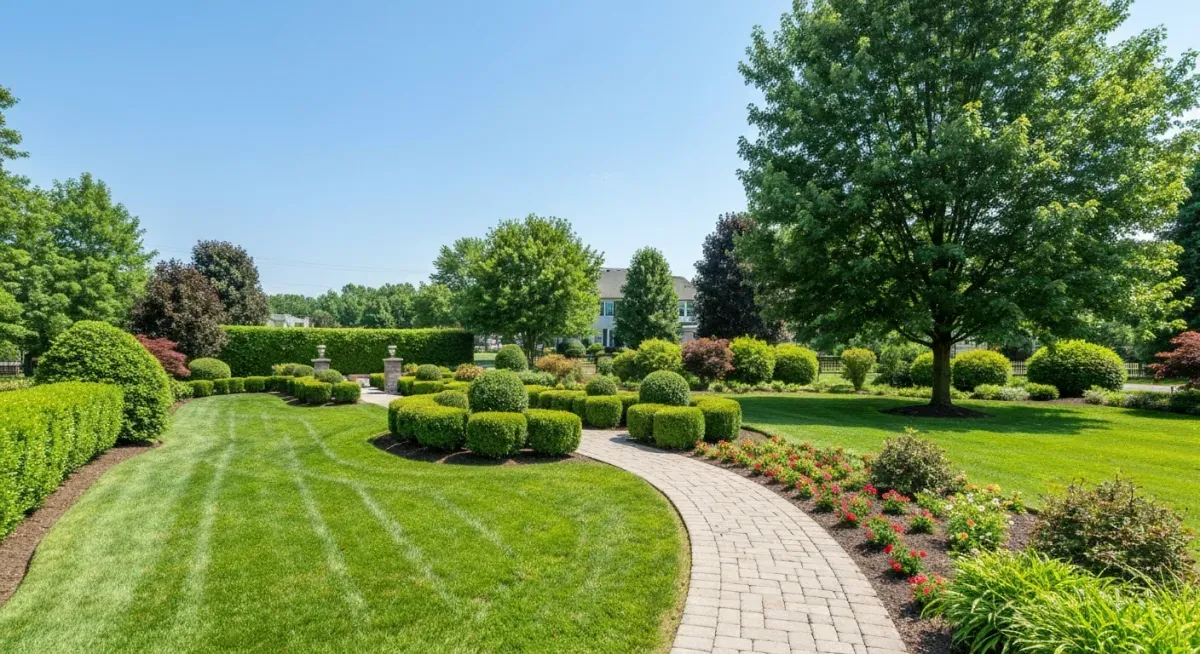
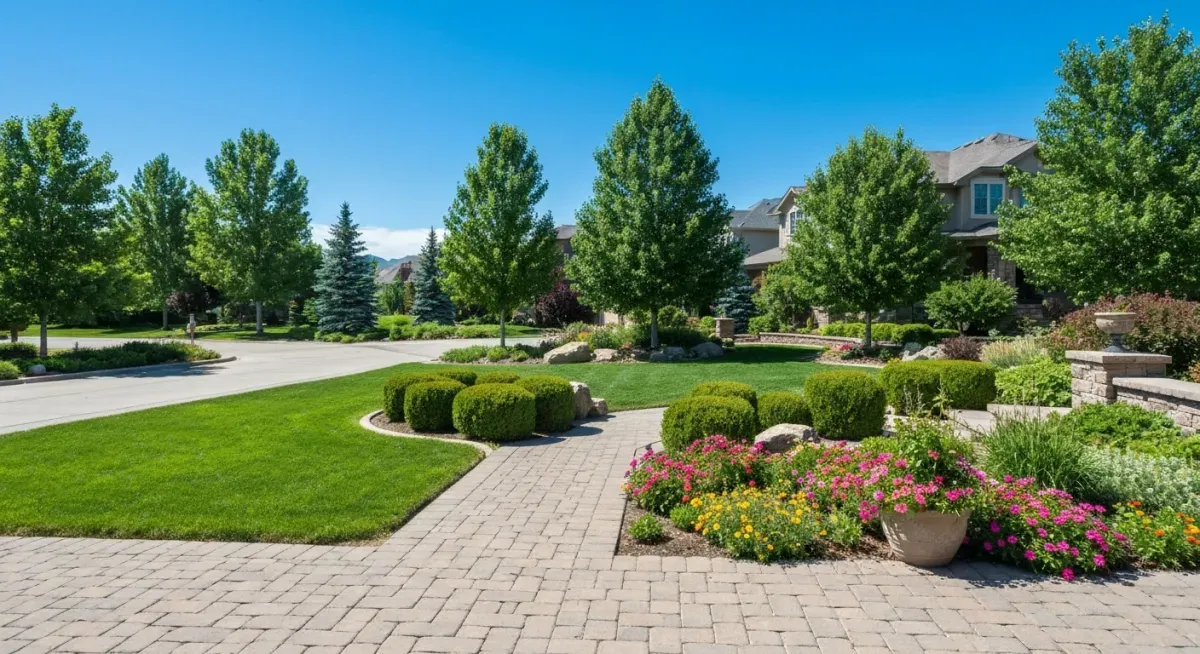
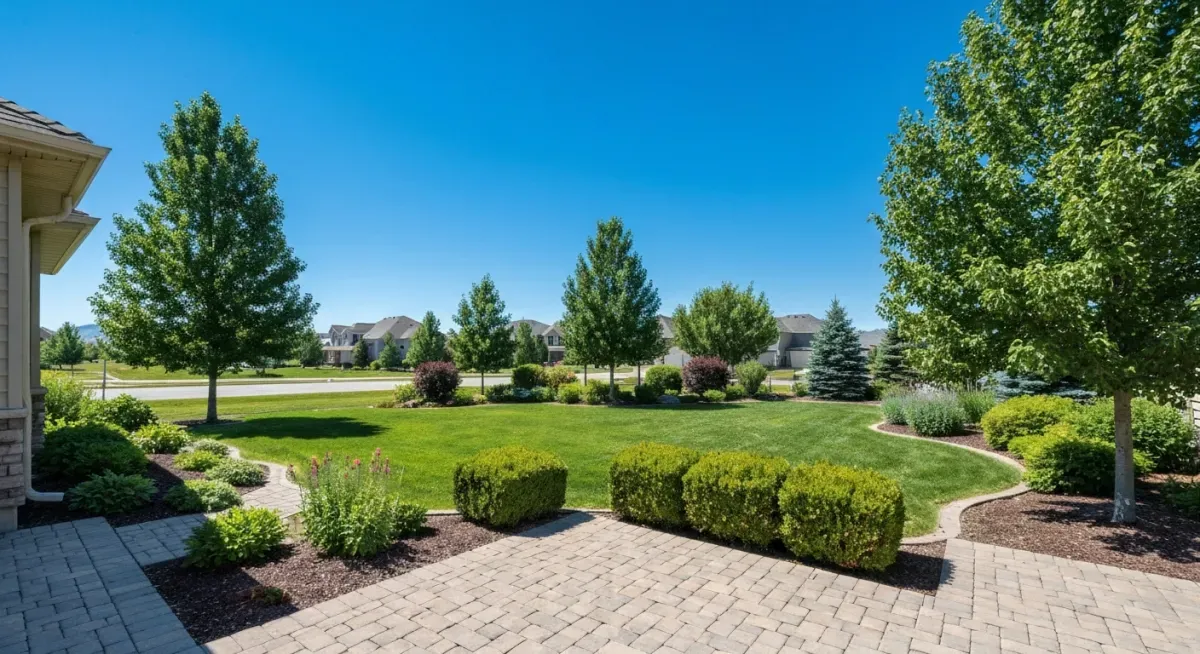
Farmington homeowners face a common decision when upgrading their outdoor spaces. Should you choose a paver patio or a concrete patio? Both options work well in northern Utah. But the right choice depends on your budget, design goals, and how you plan to use the space.
This guide breaks down the paver patio vs concrete patio debate for Farmington residents. You will learn about costs, durability, maintenance, and design options. By the end, you will know which material fits your backyard best.
Why Farmington Homeowners Are Comparing Patio Materials
Farmington sits in a unique position along the Wasatch Front. The town blends mountain views with suburban convenience. Many homes here feature larger lots perfect for outdoor living.
Local homeowners want patios that handle Utah's freeze-thaw cycles. They also want designs that complement their property's natural setting. Station Park visitors see beautiful hardscaping throughout downtown. That inspiration carries into residential projects.
The paver patio vs concrete patio question comes up in nearly every backyard renovation conversation. Both materials have loyal supporters. Understanding the differences helps you invest wisely.
What Is a Paver Patio
A paver patio uses individual interlocking units to create a solid surface. These units fit together like puzzle pieces over a compacted base. The result is a flexible surface that moves slightly with ground shifts.
Pavers come in countless shapes, colors, and textures. They allow for intricate patterns and custom designs. Many Farmington homeowners choose pavers for their classic look and versatility.
Common Paver Materials and Styles
Concrete pavers remain the most popular choice. Manufacturers mold them into consistent shapes with excellent durability. They come in colors ranging from natural earth tones to bold reds and grays.
Natural stone pavers offer a premium look. Flagstone, travertine, and bluestone create elegant surfaces. These cost more but deliver unmatched beauty.
Brick pavers provide timeless appeal. Their warm tones complement traditional home styles found throughout Farmington's established neighborhoods near Main Street.
Popular patterns include herringbone, basketweave, and running bond. Each creates a distinct visual effect. Complex patterns cost more due to increased installation time.
How Pavers Handle Utah Weather
Utah's climate tests every outdoor material. Farmington experiences hot summers and cold winters. The freeze-thaw cycle causes ground movement throughout the year.
Pavers excel in these conditions. Their interlocking design allows slight movement without cracking. When the ground shifts, pavers shift with it.
The joints between pavers also help. Water drains through these gaps rather than pooling on the surface. This reduces ice formation and water damage.
Properly installed [paver patios and walkways](/paver-patios-walkways) can last 25 to 50 years in northern Utah. The key is professional installation with adequate base preparation.
What Is a Concrete Patio
A concrete patio is a single poured slab. Workers mix cement, aggregate, and water, then pour it into forms. The material cures into a solid, continuous surface.
Concrete patios have been popular for decades. They offer a clean, uniform appearance at a lower initial cost than pavers.
Concrete Finish Options
Plain gray concrete works for basic applications. But most Farmington homeowners want something more attractive.
Stamped concrete mimics the look of pavers, stone, or brick. Workers press patterns into wet concrete before it cures. The result resembles more expensive materials at a fraction of the cost.
Exposed aggregate reveals the stones within the concrete mix. This creates a textured, slip-resistant surface with visual interest.
Stained concrete adds color to the surface. Acid stains create variegated, natural-looking tones. Water-based stains offer more uniform color options.
Broom-finished concrete features fine lines for traction. This simple finish remains popular for its practicality.
How Concrete Performs in Wasatch Front Winters
Concrete faces challenges in northern Utah. The material is rigid. It cannot flex with ground movement.
Freeze-thaw cycles cause concrete to expand and contract. Over time, this stress creates cracks. Even properly installed concrete patios often develop cracks within 5 to 10 years.
Control joints help manage cracking. Workers cut lines into the concrete to guide where cracks form. This keeps damage predictable but does not prevent it.
Salt and de-icers also damage concrete surfaces. Many Farmington homeowners use these products during winter. The chemicals accelerate surface deterioration.
Cost Comparison for Paver and Concrete Patios
Budget often drives the paver patio vs concrete patio decision. Understanding both upfront and long-term costs helps you plan accurately.
Installation Costs
Basic concrete patios cost less upfront. Expect to pay $8 to $15 per square foot for a simple broom-finished surface. Stamped concrete runs $12 to $20 per square foot.
Paver patios typically cost $15 to $30 per square foot installed. Premium materials and complex patterns push costs higher. Natural stone can exceed $40 per square foot.
For a 400-square-foot patio in Farmington, you might pay $4,000 to $6,000 for concrete. The same space in pavers runs $6,000 to $12,000.
These prices vary based on site conditions, design complexity, and material choices. Getting a [custom quote](/contactus-page) ensures accurate budgeting.
Long-Term Maintenance Costs
Concrete requires sealing every 2 to 3 years. Quality sealer costs $100 to $300 per application for an average patio. Skipping this step accelerates deterioration.
Crack repairs become necessary over time. Small cracks cost $100 to $300 to fill. Major cracks or settling may require slab replacement costing thousands.
Pavers need periodic joint sand replenishment. This costs $50 to $150 every few years. Sealing pavers is optional but extends their life.
Individual paver replacement is simple and affordable. A damaged paver costs $5 to $20 to replace. The entire surface does not need work.
Over 20 years, maintenance costs often balance out. Pavers cost more upfront but less to maintain. Concrete costs less initially but requires more ongoing investment.
Durability and Lifespan in Northern Utah Climates
Longevity matters when comparing paver patio vs concrete patio options. Your investment should last for decades.
Concrete patios typically last 25 to 30 years with proper care. However, aesthetic deterioration often occurs earlier. Cracks, stains, and surface wear diminish appearance within 10 to 15 years.
Paver patios can exceed 50 years of service life. The individual units remain replaceable throughout this time. A well-maintained paver patio looks nearly new after decades.
Farmington's elevation and climate favor pavers. The freeze-thaw cycle here is intense. Flexible paver surfaces handle this stress better than rigid concrete slabs.
Heavy snow loads also test patio materials. Pavers distribute weight across many joints. Concrete bears loads on a single continuous surface, concentrating stress.
Design Flexibility and Curb Appeal
Your patio should complement your home and landscape. Design options differ significantly between materials.
Concrete offers moderate customization. Stamps and stains provide variety. But the options remain limited compared to pavers.
Pavers deliver nearly unlimited design possibilities. Mix colors within a single project. Create borders, inlays, and patterns. Match your home's architecture precisely.
Curved edges prove easier with pavers. Workers cut units to follow any shape. Concrete curves require complex formwork and skilled finishing.
Many Farmington homes overlook Farmington Bay or feature mountain views. Pavers help frame these vistas beautifully. Earth-toned units blend with the natural landscape.
Your patio can integrate with other [hardscaping](/hardscaping) elements too. Matching pavers create cohesive designs across patios, walkways, and retaining walls.
Repairs and Replacement Considerations
Every patio eventually needs repairs. How each material handles repairs affects long-term satisfaction.
Concrete repairs often look obvious. Patched cracks and replaced sections rarely match the original surface. Color differences and texture variations stand out.
Matching old concrete proves nearly impossible. Fading and weathering change the original color. New concrete placed next to old creates visible seams.
Paver repairs blend seamlessly. Remove damaged units and install replacements. Even years later, matching pavers remain available from major manufacturers.
Underground utility access also favors pavers. Workers remove units, complete repairs, and reinstall them. No evidence of the work remains.
Concrete requires cutting and demolition for underground access. Patches never match perfectly. Each repair diminishes the overall appearance.
Which Patio Material Works Best for Your Farmington Backyard
Your specific situation determines the best choice. Consider these factors when deciding between a paver patio vs concrete patio.
Choose concrete if you have a limited budget and need maximum square footage. Concrete works well for simple, utilitarian spaces. It suits homeowners who prioritize function over aesthetics.
Choose pavers if you value long-term durability and design flexibility. Pavers work best for entertaining spaces and outdoor living areas. They suit homeowners who want a premium look that lasts.
Your home's style matters too. Traditional and craftsman homes throughout Farmington pair well with brick or stone pavers. Modern homes can use either material effectively.
Consider your maintenance preferences. If you prefer minimal upkeep, pavers require less frequent attention. If you are comfortable with regular sealing and potential repairs, concrete works fine.
Think about future plans. Planning to add an [outdoor kitchen](/outdoor-kitchen) or fire pit? Pavers make future modifications easier. Concrete additions require cutting and patching.
Get a Custom Patio Quote from Pro Landscaping
The paver patio vs concrete patio decision deserves professional input. Every Farmington property has unique characteristics affecting the best choice.
Pro Landscaping has installed hundreds of patios across the Wasatch Front. We understand how northern Utah's climate impacts different materials. Our team helps you choose wisely.
We evaluate your soil conditions, drainage patterns, and intended use. We discuss design options that complement your home. We provide transparent pricing for both materials.
Whether you prefer pavers or concrete, professional installation matters most. Proper base preparation prevents settling. Correct drainage protects your investment. Skilled finishing ensures lasting beauty.
Ready to transform your Farmington backyard? [Contact Pro Landscaping](/contactus-page) for a free consultation. We will help you choose the perfect patio material for your home, budget, and lifestyle. Your outdoor living upgrade starts with one conversation.
Paver Walkway Installation for Farmington Homes Farmington homeowners know their properties deserve pathways that match the beauty of the Wasatch Mountains.…
Best Paver Materials for Utah Homes in Draper Draper homeowners know their outdoor spaces take a beating. Between the Wasatch Front's harsh winters and intense…