If you live along the Wasatch Front, you've seen what hard water does inside your house: spots on the dishes, crust on the faucet, a film on the shower door. It does the same thing outside. It leaves white rings on pavers, deposits on stone walls and buildup in sprinkler heads. The fix most people reach for indoors, a water softener, is the wrong water to put on your lawn and garden. This guide covers what hard water does to a Utah landscape, why softened water doesn't belong in your sprinklers, and how to set up your home so both sides get the water they need.
How hard is Utah's water?
Hardness is mostly dissolved calcium and magnesium. The U.S. Geological Survey rates water at 121 to 180 mg/L as hard and anything above 180 mg/L as very hard. Most of the Salt Lake Valley falls in or near that range.
The Jordan Valley Water Conservancy District, which supplies much of the south valley, lists its water at about 170 mg/L, or 10 grains per gallon. Salt Lake City's own treatment plants run from about 8 to 12 grains per gallon, and some of the city's wells and springs are much harder. Murray reports an average of about 11 grains per gallon. In practice, if your home is in Draper, Sandy, South Jordan or Salt Lake City, your sprinklers are putting hard water on your yard every day of the season.
What hard water does outside
White spots and rings on pavers and concrete
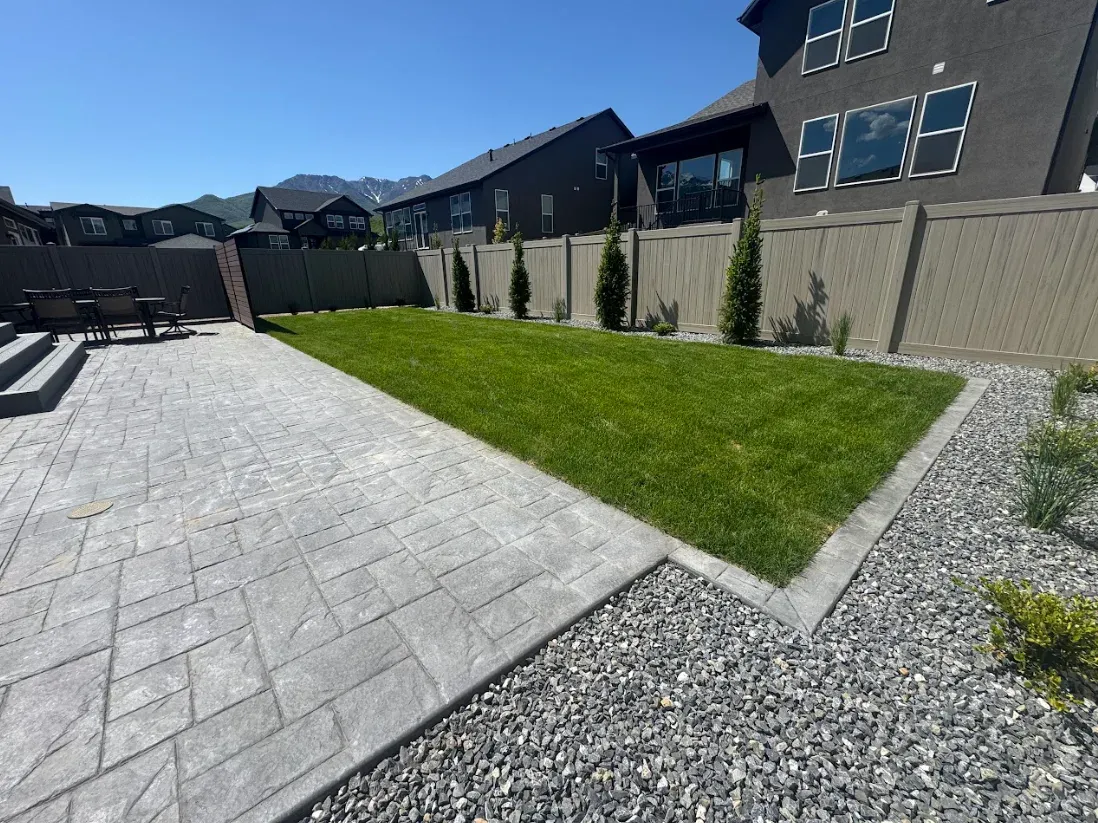
When sprinkler water dries on a hot surface, the minerals stay behind. Over a summer, that builds into chalky white spots and rings on paver patios, driveways and walkways, usually right where a sprinkler head overshoots the lawn. The quickest fix is the sprinkler, not the stone. Adjust the head's arc or swap the nozzle so water lands on turf and planting beds, not on hardscape. Existing spots usually come off with a cleaner made for masonry, and sealing pavers makes the next round easier to rinse off. Our paver maintenance guide covers cleaning and sealing in more detail.
One thing to know: white powder on brand-new pavers or concrete is often efflorescence, which is salt working out from inside the material, not hard water from outside. Efflorescence usually fades on its own over the first season or two. Spots that line up with a sprinkler's spray pattern are hard water.
Stone walls and water features
The same buildup shows up on natural stone retaining walls that catch overspray, and on fountains and water features, where water evaporates all day and the minerals concentrate. Expect to clean the basin and pump on a water feature more often in Utah than you would somewhere with soft water.
Sprinkler heads and drip emitters
Mineral scale can build up in small openings, especially drip emitters and fine spray nozzles. If one zone has gone patchy or an emitter has stopped dripping, pull it and check for crust before you assume a leak or a bad valve. Cleaning or replacing a few nozzles each spring is part of normal maintenance here.
Why softened water is the wrong fix for your yard
A standard water softener works by ion exchange. It swaps the calcium and magnesium in your water for sodium. That's great for your pipes, water heater and shower. Plants and soil are a different story.
University of Nebraska Extension notes that a softener adds about 8 mg/L of sodium for every grain of hardness it removes, and says plainly that "it is not recommended to repeatedly use softened water for plants, lawns or gardens due to the sodium content." At Salt Lake Valley hardness of around 10 grains, that's roughly 80 mg/L of added sodium. Penn State Extension flags irrigation water above 50 mg/L of sodium as a potential problem for sensitive plants.
Our dry climate makes it worse. In wetter parts of the country, rain flushes salts down through the soil. Along the Wasatch Front, a summer of sprinkler water evaporates and leaves the salt behind in the root zone. The result can be browned leaf edges, struggling shrubs and lawn that never quite greens up, no matter how much you water it.
The right setup: soft water inside, hard water outside
You don't have to choose between your house and your yard. The usual answer is to treat the water that goes to your fixtures and appliances and leave outdoor lines alone:
- Sprinklers on their own line. In many Utah homes the sprinklers run on a separate secondary (pressurized irrigation) system, or the irrigation line tees off before the softener. Either way, the sprinklers never get softened water. If you're not sure about yours, trace the line from your backflow preventer back toward the main.
- Hose bibs left untreated. Outdoor spigots are the ones that sometimes end up on the softened side, especially after a remodel. If you water pots, raised beds or new plantings by hose, make sure that spigot is on hard water.
- Use the bypass valve when you need it. Most softeners have a bypass valve. If an outdoor spigot is on softened water, switching to bypass while you water and back again afterward is a workable stopgap.
If you're adding a softener or replacing an old one, this is the time to get the plumbing right. Ask the installer where your irrigation and hose bibs tee off, and have any outdoor lines that would end up softened moved ahead of the system. Pro Water Softener Utah installs and services softeners across the Salt Lake Valley and Utah County, and can walk through your home's layout before anything is cut in.
Not sure how hard your water is?
Hardness changes from city to city, and in some cities it changes with the season as the supply shifts between surface water and wells. A test tells you whether you need a softener at all, and how to size one. Pro Water Softener Utah offers water testing for homes along the Wasatch Front. If you'd rather not add any salt, they also carry a salt-free water conditioner. It's worth knowing that a conditioner doesn't remove hardness minerals the way a softener does, so ask which one fits your water.
Designing a landscape that holds up to Utah water
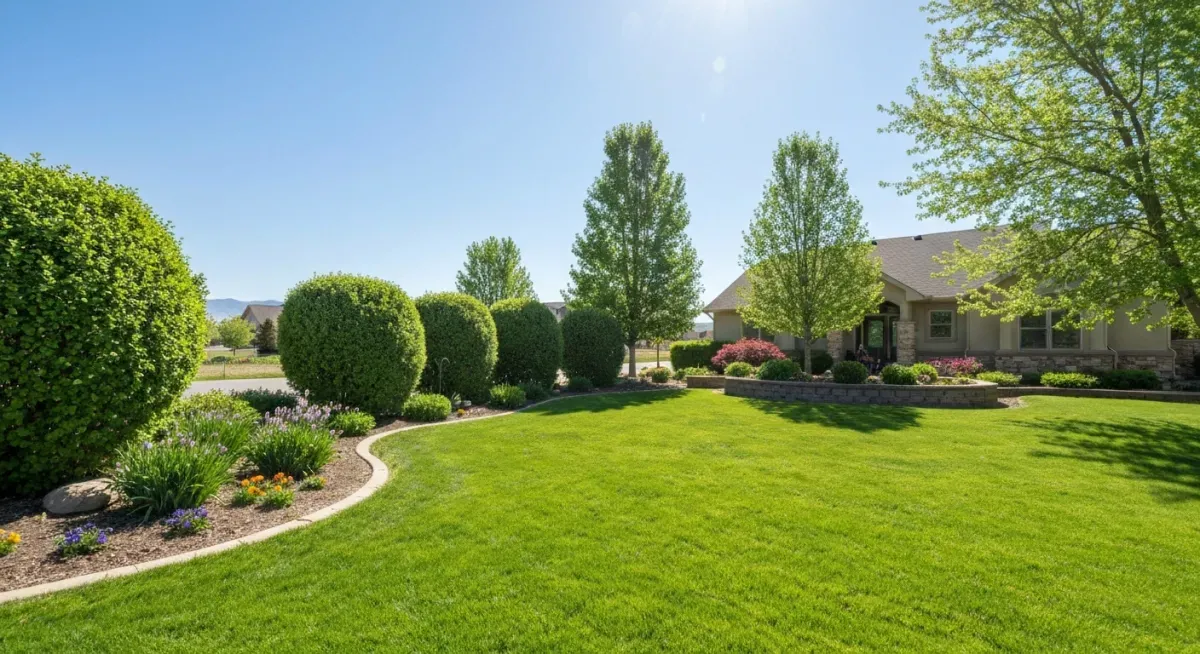
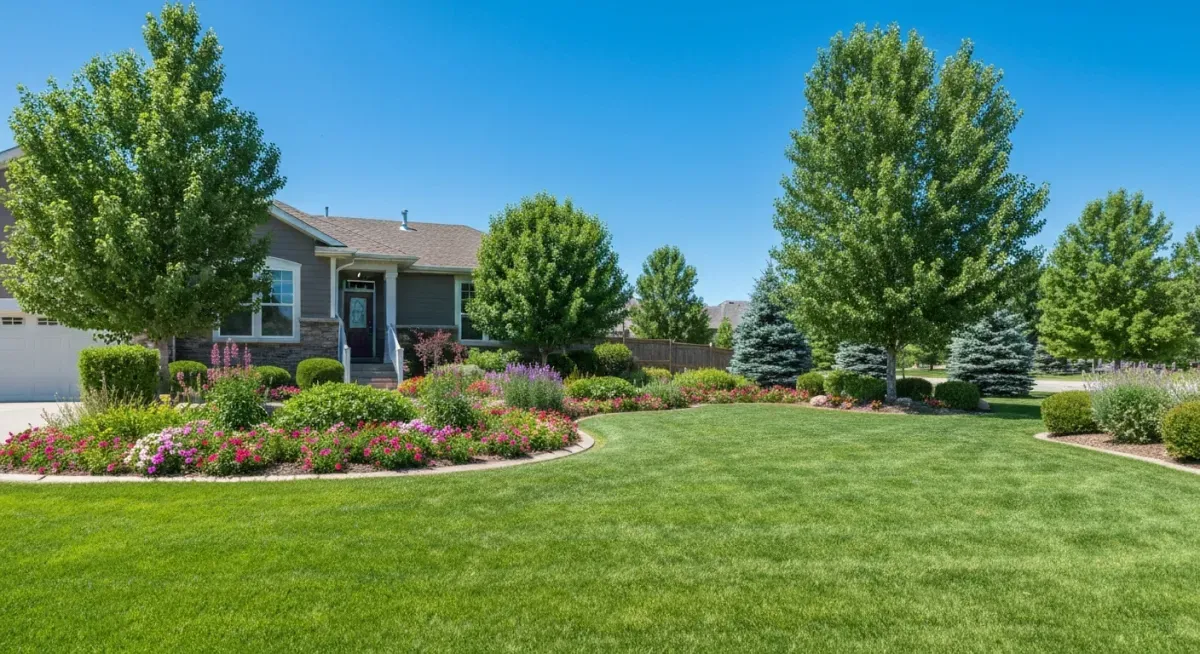
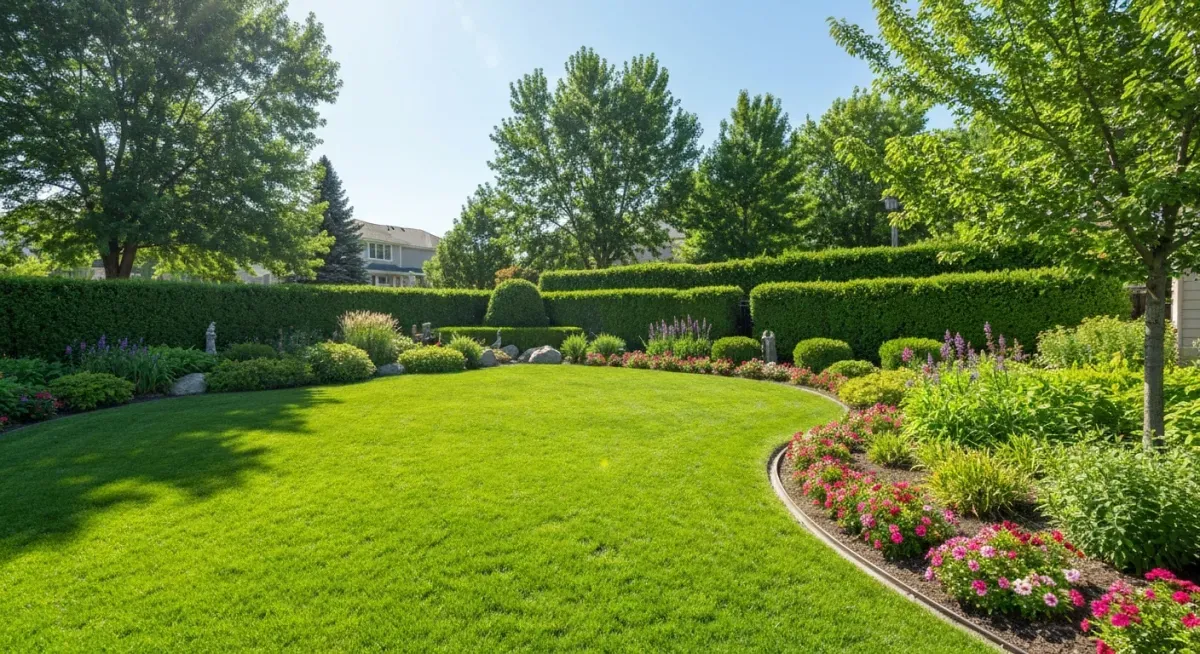
When we design a yard, water quality is part of the plan. We keep spray heads off pavers and walls and use drip on beds where it makes sense. We also pick plants that handle our soil and mineral-heavy water. A well-designed irrigation layout keeps hard-water spotting off your hardscape and puts water where your plants can use it.
If you're planning a new patio, wall or full-yard project, get in touch with Pro Landscaping. We'll design it around the water you actually have.