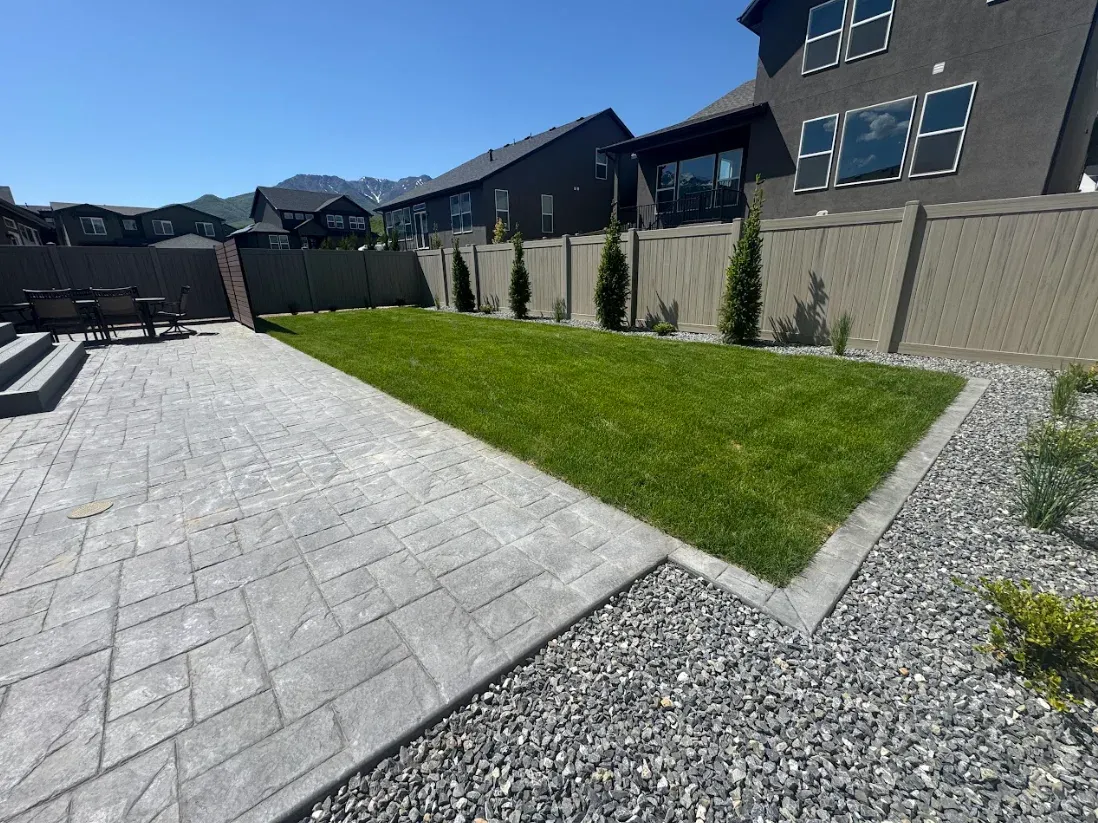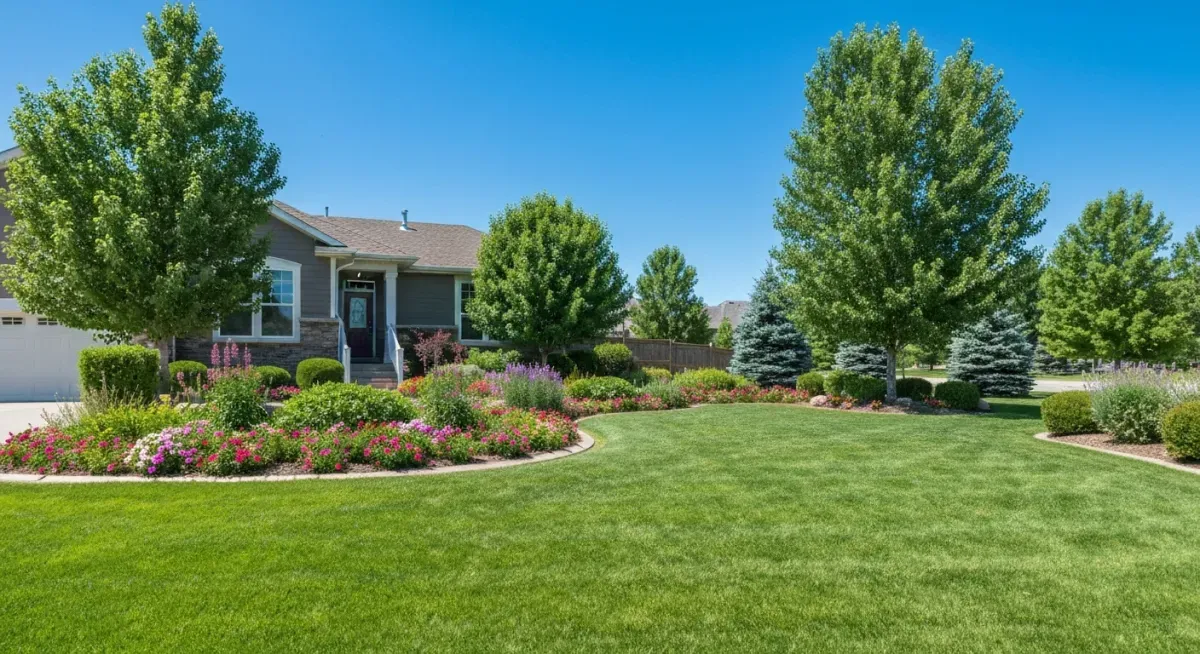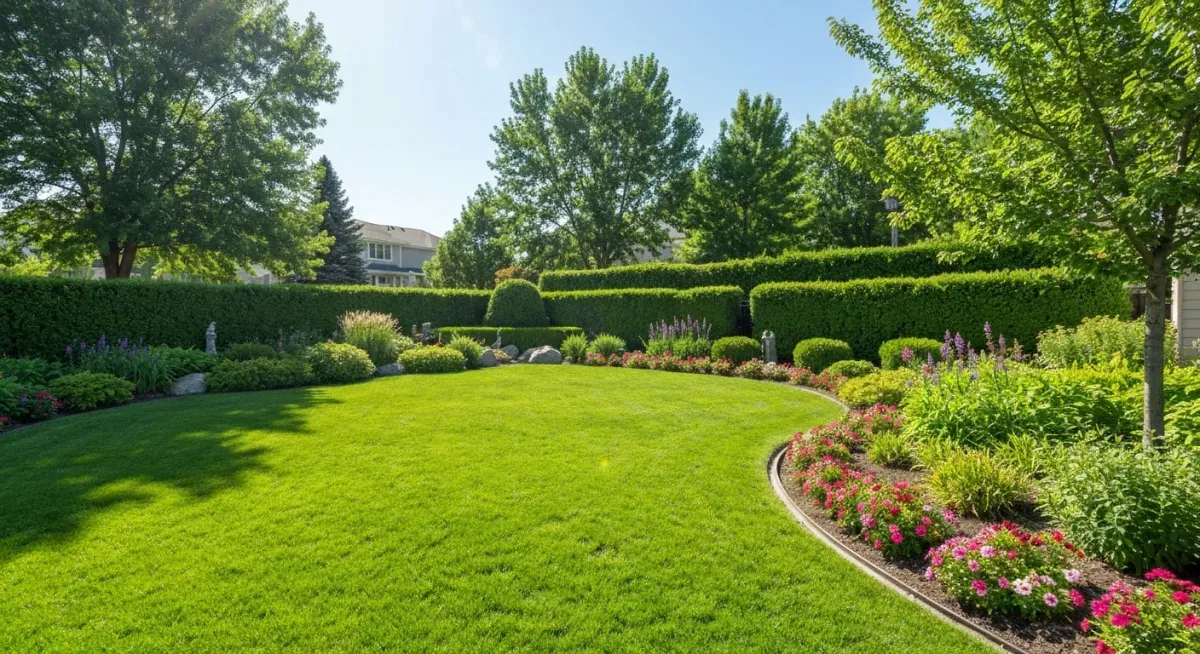
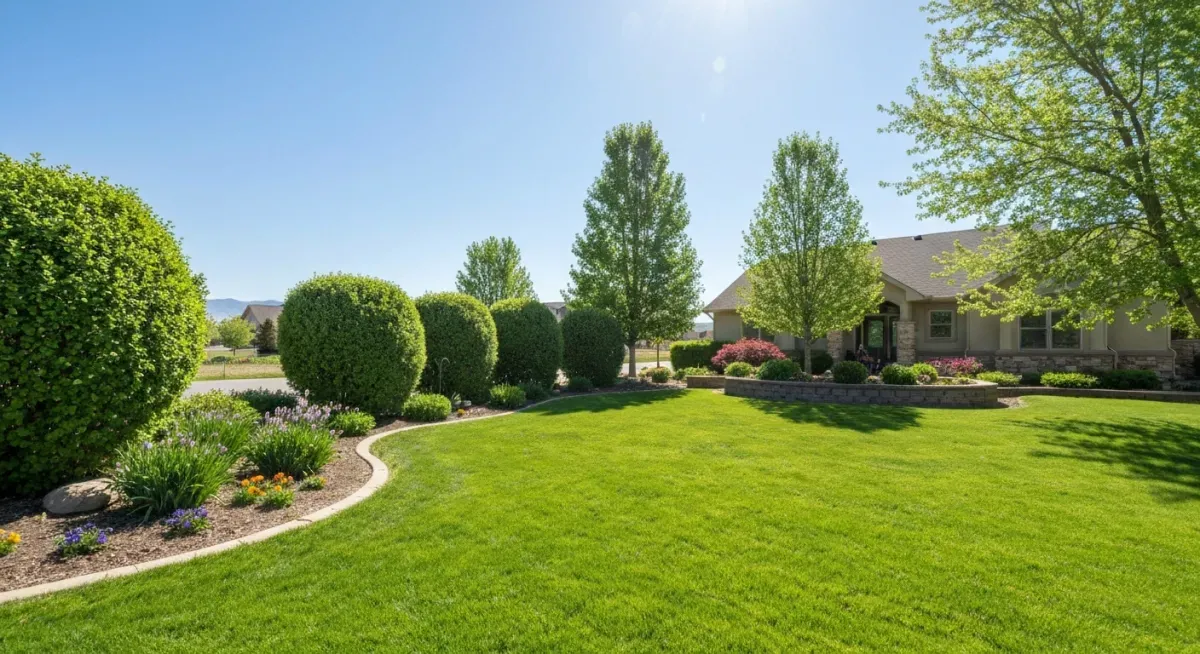
Farmington homeowners know the drill. Winter dumps snow on Lagoon Drive neighborhoods and the bench properties alike. Then spring arrives, revealing the mess left behind. Spring landscaping cleanup Utah residents tackle each year determines how their yards perform through summer. Get it right now, and you set yourself up for success. Skip it, and you fight problems until fall. The homes along Farmington Creek and those with Wasatch Mountain views share common challenges. Freeze-thaw cycles. Heavy snowpack. Wind-blown debris from the canyons. Your yard absorbed punishment for months. Now it needs attention. This guide covers exactly what Farmington properties need this spring. No fluff. Just practical steps that work for Utah conditions.
Why Spring Cleanup Matters for Utah Yards
Spring landscaping cleanup is not optional here. Utah winters create specific damage patterns. Ignoring them leads to dead grass, struggling plants, and expensive repairs later. Your yard transitions from dormancy to active growth in just weeks. The window for cleanup is narrow. Miss it, and you chase problems all season.
Winter Damage Common in the Wasatch Front
Farmington sits right in the path of lake-effect storms. That means heavy, wet snow. This type of snow does more damage than the light powder that falls in the mountains. Common issues we see every spring: Heavy snow bends and breaks branches. Ornamental trees near Main Street often suffer the worst. The weight snaps limbs and leaves ugly wounds. Salt damage from road treatments migrates into yards. Properties along State Street and Highway 89 see this most. Salt burns grass edges and kills plants near the road. Vole tunnels appear once snow melts. These rodents stay active under snow cover. They create surface runways that kill grass in winding patterns. Frost heave pushes rocks, pavers, and plants out of place. The Farmington bench properties with their clay-heavy soil experience this more than lower elevation homes.
Preparing Your Soil After the Thaw
Utah soil compacts heavily over winter. Snow weight presses down. Freeze-thaw cycles create hard layers. Your soil needs to breathe before anything grows well. Wait until soil is workable. Grab a handful. Squeeze it. If it forms a muddy ball, wait longer. If it crumbles, you can start working. Test your soil pH. Utah soil runs alkaline, often above 7.5. This affects nutrient availability. Knowing your starting point helps you choose the right amendments. Add organic matter. Compost breaks up clay and improves drainage. Farmington soil benefits from annual additions. Work it into garden beds and around established plantings.
Essential Spring Landscaping Cleanup Tasks
Start with the basics. These tasks apply to every Farmington property regardless of size or style.
Clearing Debris and Dead Plant Material
Walk your entire property first. Make notes. Identify problem areas before you start working. Remove fallen branches and twigs. Pile them for chipping or haul them away. Do not leave them on grass. They block light and promote disease. Pull dead annuals from last year. Many Farmington homeowners leave petunias and marigolds through winter. They are done. Remove them completely including root masses. Clear leaves from beds and lawn areas. Matted leaves smother grass and create fungal problems. Wet leaf piles also harbor pests. Check gutters and downspouts. Winter debris clogs drainage. This causes overflow that damages foundation plantings and creates soggy areas in your lawn.
Pruning Trees and Shrubs
Spring pruning requires timing. Different plants need attention at different times. Prune summer-blooming shrubs now. This includes butterfly bush, rose of Sharon, and smooth hydrangea. They bloom on new growth, so early pruning gives them time to develop. Wait on spring bloomers. Lilacs, forsythia, and flowering quince bloom on last year's growth. Prune them immediately after flowering ends. Remove dead, damaged, and diseased branches from all plants. Cut back to healthy tissue. Make clean cuts at proper angles. Shape overgrown shrubs carefully. Never remove more than one-third of the plant in a single season. Severe pruning stresses plants already recovering from winter.
Edging Beds and Refreshing Mulch
Clean edges transform a yard instantly. They create visual separation between lawn and beds. Use a sharp spade to redefine bed edges. Cut a clean line about 4 inches deep. Remove grass that crept into beds over the past year. Pull existing mulch back from plant crowns. Many gardeners pile mulch against stems. This holds moisture and promotes rot. Leave a 2-inch gap around every plant base. Add fresh mulch to bring depth back to 2-3 inches. Farmington properties do well with shredded bark or wood chips. These break down slowly and handle our dry conditions. Consider professional landscape design and build services if your beds need more than refreshing. Sometimes spring reveals that the entire layout needs rethinking.
Lawn Care Steps for Farmington Properties
Utah lawns need specific spring attention. Our cool-season grasses face unique challenges transitioning from dormancy.
Raking and Dethatching Your Grass
Light raking removes debris and lifts matted grass. Use a flexible leaf rake, not a heavy garden rake. Work in multiple directions. Thatch is the layer of dead organic matter between grass blades and soil. Some thatch is good. More than half an inch causes problems. Check thatch depth by cutting a small plug from your lawn. Measure the brown layer between green blades and soil surface. If it exceeds half an inch, dethatching helps. Dethatch when grass actively grows. For Farmington, this means late April or early May. Dethatching too early damages grass trying to wake up. Rent a power dethatcher for large lawns. The machine pulls up dead material that hand raking misses. Plan to rake up the debris afterward.
Aerating Compacted Soil
Aeration creates holes that allow water, air, and nutrients to reach grass roots. Utah clay soil compacts easily. Annual aeration makes a real difference. Core aerators work best. They pull plugs of soil from the ground. Leave these plugs on the surface to break down naturally. Aerate when soil is moist but not wet. Dry soil resists the tines. Wet soil smears instead of forming clean plugs. High-traffic areas need extra attention. Kids playing, dogs running, and party gatherings all compact soil. Hit these zones with extra passes. Spring or fall aeration works for Utah lawns. If you can only do it once, fall is slightly better. But spring aeration still provides significant benefits.
Early Spring Fertilization
Timing matters more than product selection. Fertilize too early and you push top growth before roots establish. Too late and you miss the window. Wait until grass starts active growth. For Farmington properties, this typically means late April. Watch your lawn, not the calendar. When you need to mow, it is time to feed. Use slow-release fertilizers. They provide steady nutrition over weeks rather than a single burst. This creates healthier, more resilient grass. Apply at recommended rates. More fertilizer does not mean better results. Excess burns grass and wastes money. Consider soil test results. If your soil lacks specific nutrients, targeted products outperform general-purpose fertilizers.
Hardscape Inspection After Utah Winters
Utah freeze-thaw cycles stress hardscape features every winter. Spring inspection catches problems before they worsen.
Checking Pavers and Walkways for Shifting
Walk every paved surface in your yard. Feel for rocking or uneven areas. Mark problems with spray paint or flags. Frost heave pushes individual pavers upward. This creates trip hazards and allows water infiltration that makes problems worse. Edge restraints often fail first. Check along the perimeter of paver patios and walkways. Loose edges allow the entire system to spread and shift. Polymeric sand washes out over time. If you see gaps between pavers, the joint material needs refreshing. This prevents weed growth and insect infiltration. Minor shifting can be fixed by lifting affected pavers, adding base material, and resetting them. Major problems may indicate drainage issues below the surface.
Inspecting Retaining Walls for Frost Damage
Retaining walls handle enormous pressure. Winter adds freeze expansion to that load. Inspect walls carefully each spring. Look for leaning or bulging sections. Use a level if needed. Any movement since last year indicates a problem developing. Check for new cracks in mortared walls. Small cracks may be cosmetic. Large or growing cracks suggest structural issues. Examine drainage outlets. Weep holes must remain clear. Blocked drainage lets water build behind the wall, increasing pressure dramatically. Look at the soil behind the wall. Erosion at the top indicates water bypassing the drainage system. This undermines the wall over time. Farmington properties along the bench face extra challenges. The steep terrain and heavy clay soil put more stress on retaining structures.
When to Hire a Professional for Spring Cleanup
Some spring tasks exceed DIY capabilities. Knowing when to call for help saves time, prevents injury, and produces better results.
Large Properties and Complex Landscapes
Properties over half an acre become time-consuming quickly. What takes a professional team one day might take a homeowner several weekends. Multi-level landscapes with terracing, multiple garden rooms, or extensive hardscape need coordinated attention. Tackling pieces randomly creates inconsistent results. Mature trees requiring pruning present safety issues. Heights, heavy limbs, and proper cut placement all matter. Improper pruning damages trees and creates hazards. Irrigation system activation requires specific knowledge. Utah systems face freeze damage, broken heads, and misaligned coverage. Professionals diagnose and repair efficiently.
Drainage Issues and Grading Concerns
Standing water after snowmelt reveals drainage problems. These require more than surface fixes. Grading should move water away from your foundation. If water pools near structures, regrading may be necessary. This involves moving soil and possibly installing drainage systems. French drains, catch basins, and channel drains address persistent water issues. Installation requires proper sizing, slope calculation, and connection planning. Erosion damage from spring runoff needs professional assessment. Temporary fixes often fail. Permanent solutions address root causes. Farmington properties near creek beds and drainage channels face particular challenges. Spring runoff creates powerful water movement that standard residential landscaping approaches may not handle.
Get Your Farmington Yard Ready This Spring
Spring landscaping cleanup Utah homeowners complete now determines summer success. Your Farmington property deserves attention after months of winter stress. Start with debris removal and work through the checklist systematically. Address lawn care once soil conditions allow. Inspect hardscape for winter damage before problems grow. Some tasks make sense for DIY attention. Others benefit from professional tools and experience. The key is getting everything done during the narrow spring window. Pro Landscaping serves Farmington and the surrounding Wasatch Front communities. Our teams understand local conditions, soil types, and the specific challenges Utah winters create. Ready to tackle spring cleanup? Contact us for professional assistance with your spring landscaping projects. Your yard's best season starts with proper preparation now. ```