Draper homeowners face a unique challenge when planning retaining walls. The terrain along the Point of the Mountain creates dramatic slopes that demand proper wall construction. Choosing the best retaining wall material Utah conditions require means understanding how local climate, soil, and elevation affect long-term performance. This guide breaks down every major material option. You'll learn what works, what fails, and what delivers the best value for Draper properties.
Why Material Choice Matters in Draper's Climate
Utah's Wasatch Front sits at the intersection of desert heat and alpine cold. This creates one of the most demanding environments for outdoor construction in the country. The material you select determines whether your wall lasts five years or fifty.
Freeze-Thaw Cycles and Wall Durability
Draper experiences over 100 freeze-thaw cycles annually. Water seeps into porous materials during warmer days. Nighttime temperatures drop below freezing. That water expands as ice, creating pressure that cracks and crumbles weak materials. The best retaining wall material for Utah homes must handle this constant stress. Inferior products develop surface spalling within three to five years. Cracks compound over time. Eventually, structural integrity fails. Concrete block systems and natural stone handle freeze-thaw cycles well when properly installed. Timber struggles. Poured concrete performs excellently with appropriate mix designs.
Soil Conditions Along the Wasatch Front
Draper sits on varied soil types. Areas near the Jordan River feature clay-heavy compositions. Higher elevations toward Corner Canyon contain rocky, well-draining substrates. The foothills below Traverse Mountain often have expansive clay that shifts seasonally. These soil conditions directly impact retaining wall performance. Clay soils exert lateral pressure during wet seasons. They shrink during droughts. Your wall must accommodate this movement without failing. Material weight matters here. Heavier materials like natural stone and poured concrete resist soil pressure more effectively. Lighter timber walls may shift or bow under lateral loads.
Top Retaining Wall Materials for Utah Properties
Four primary materials dominate Utah retaining wall construction. Each offers distinct advantages and limitations for local conditions.
Concrete Blocks and Segmental Units
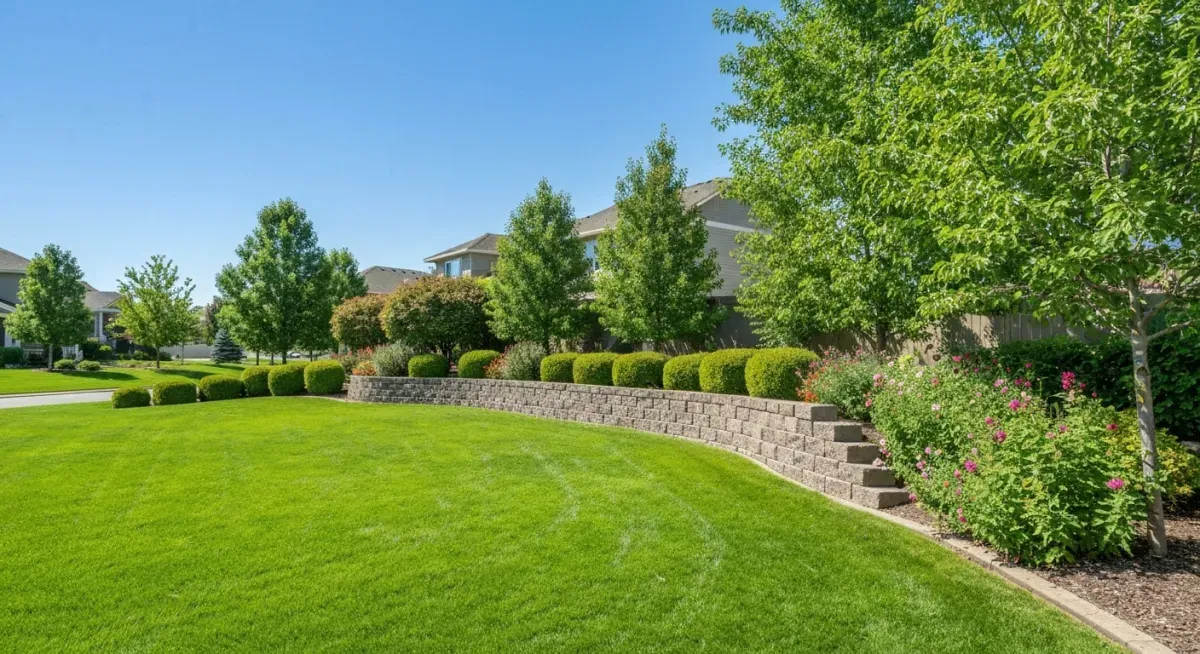
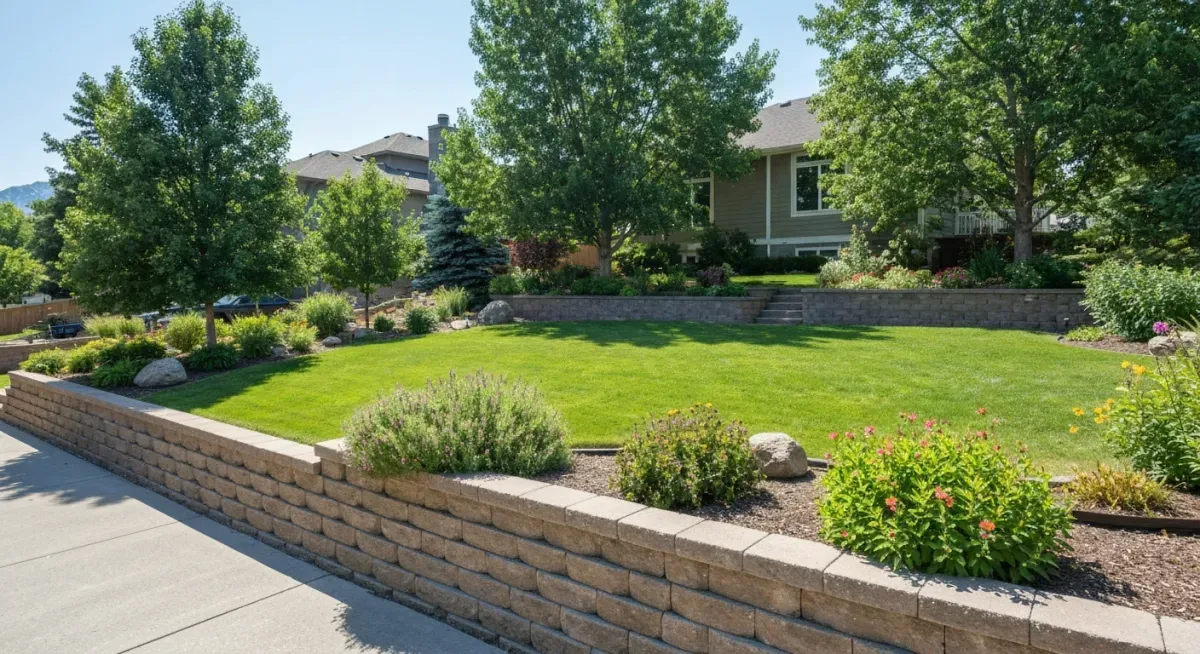
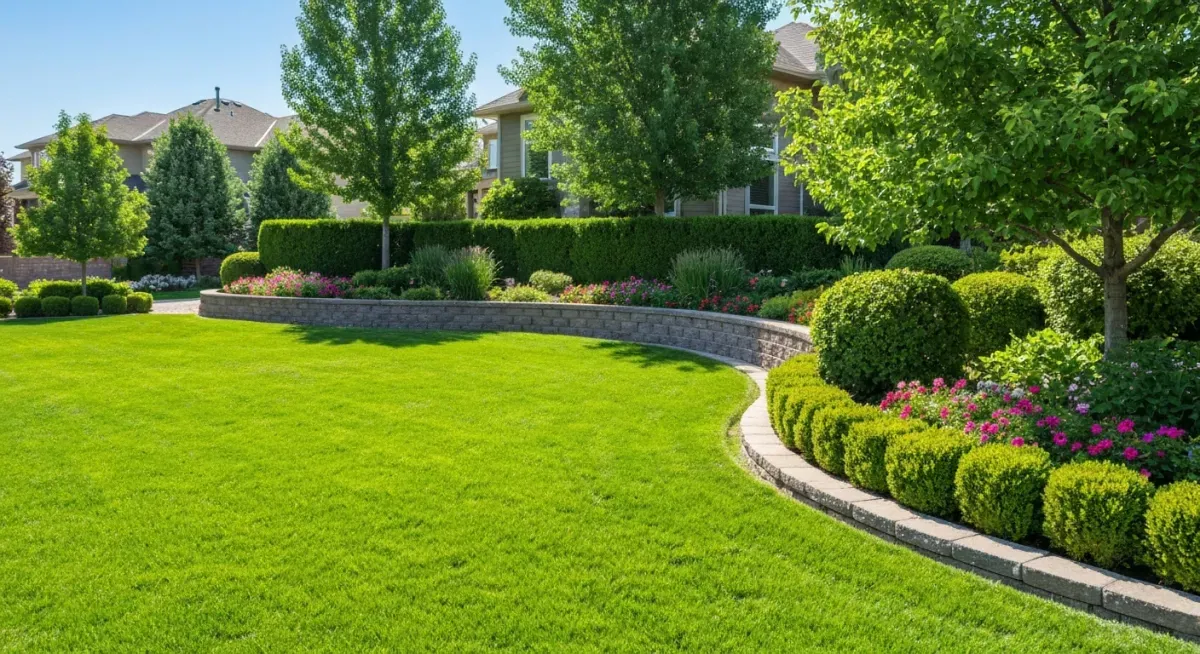
Segmental retaining wall blocks represent the most popular choice for Utah homeowners. These engineered units interlock without mortar. They flex slightly during soil movement, preventing cracks that would destroy rigid structures. Modern concrete blocks come in dozens of styles. Some mimic natural stone. Others feature clean, contemporary lines. Colors range from warm earth tones to cool grays that complement Draper's mountain backdrop. Quality segmental units handle freeze-thaw cycles exceptionally well. Look for products rated for severe weather exposure. Many manufacturers offer 50-year or lifetime warranties on structural performance. Installation flexibility adds another advantage. Blocks work for walls from 12 inches to over 20 feet tall. Larger walls require geogrid reinforcement, but the basic construction method stays consistent. Cost falls in the mid-range. Material prices run lower than natural stone but higher than timber. Labor costs benefit from efficient installation methods.
Natural Stone Options
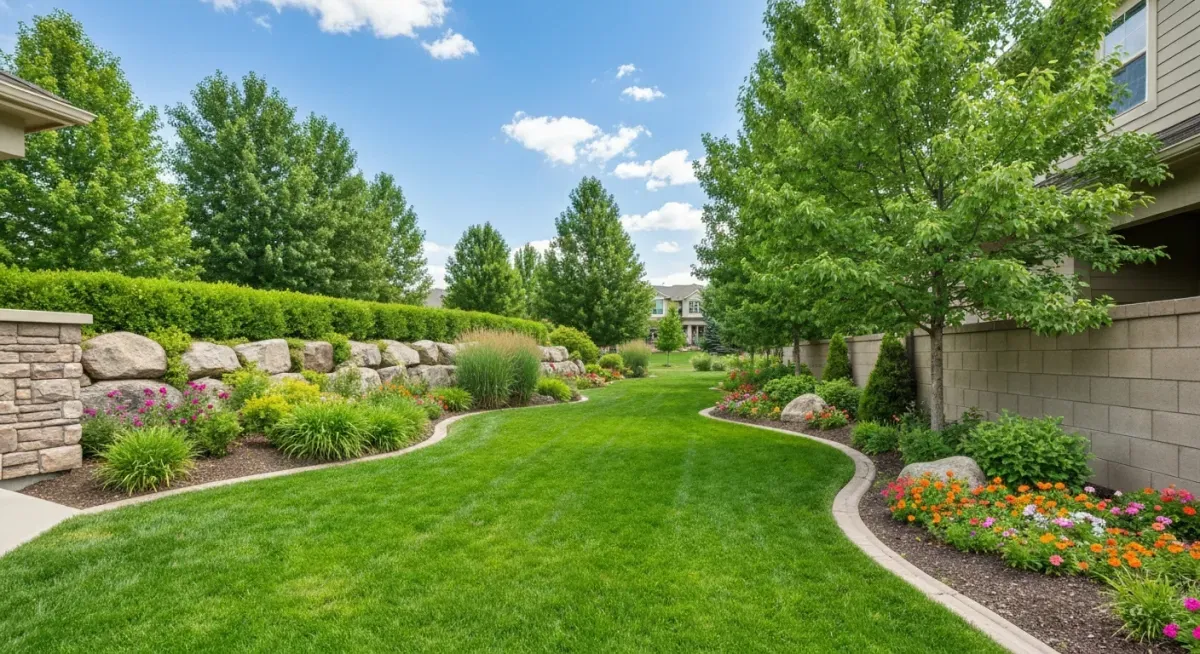
Utah offers abundant natural stone options. Local quarries produce sandstone, limestone, and granite. These materials create walls with timeless beauty and exceptional durability. Natural stone represents the premium choice for Utah retaining walls. Properly built stone walls last generations. Many historic walls throughout Utah Territory date back 150 years and still function perfectly. Two construction methods exist. Dry-stack walls use no mortar. Skilled masons fit stones together using gravity and friction. These walls flex with soil movement and drain naturally. Mortared stone walls create more formal appearances. They offer greater height capabilities and cleaner lines. However, mortar joints require maintenance and may crack during freeze-thaw cycles. The main limitation is cost. Natural stone materials and skilled labor create the highest price points for [retaining wall construction](/retaining-walls). Budget typically runs two to three times higher than concrete block alternatives.
Poured Concrete Walls
Poured concrete delivers maximum structural capacity. This material choice works best for tall walls, heavy loads, and challenging soil conditions. Many Draper hillside properties require poured concrete to handle steep grade changes. Modern concrete mixes designed for Utah's climate include air-entrainment. Tiny air bubbles throughout the material provide expansion room during freeze-thaw cycles. This dramatically improves durability compared to standard mixes. Appearance options have expanded significantly. Stamped and textured form liners create stone-like surfaces. Integral colors eliminate painting needs. Exposed aggregate finishes reveal decorative stone within the concrete matrix. Poured concrete requires professional installation with proper engineering. Footings must extend below frost depth. Reinforcing steel placement follows specific patterns. Drainage systems need integration during construction.
Timber and Wood Alternatives
Timber retaining walls offer rustic charm and lower initial costs. Pressure-treated lumber resists rot and insect damage. Railroad ties create massive, rugged appearances. However, wood performs poorly in Utah's demanding climate. Even treated lumber degrades within 15 to 20 years. Freeze-thaw cycles accelerate deterioration. Timber walls require replacement while stone and concrete continue performing. Wood makes sense for short-term applications, low walls under 24 inches, and garden bed borders. For structural retaining applications, other materials deliver better long-term value.
Comparing Cost and Longevity
Material selection involves balancing upfront investment against decades of performance. The cheapest option today often becomes the most expensive choice over time.
Upfront Investment vs Long-Term Value
Here's how costs typically break down for Draper retaining wall projects: Timber walls start around $15 to $25 per square face foot installed. They last 15 to 20 years maximum. Total cost per year of service runs $1.00 to $1.67. Concrete blocks run $20 to $35 per square face foot. Lifespan extends to 50 years or more. Cost per year drops to $0.40 to $0.70. Natural stone ranges from $40 to $80 per square face foot. These walls last 75 to 100 years with minimal maintenance. Cost per year calculates to $0.40 to $1.07. Poured concrete falls between $30 to $50 per square face foot. Properly built walls last 50 to 75 years. Cost per year equals $0.40 to $1.00. The best retaining wall material Utah homeowners can choose depends on project scope and budget timeline. Concrete blocks deliver optimal value for most applications.
Maintenance Requirements by Material
Maintenance burden varies dramatically between materials. Factor this into total ownership costs. Timber requires annual inspections, sealing every two to three years, and eventual replacement. Expect ongoing work. Concrete blocks need minimal attention. Occasional cleaning and weed removal keep them looking sharp. Damaged blocks can be individually replaced. Natural stone requires virtually zero maintenance. Dry-stack walls may need periodic stone resetting. Mortared walls need joint inspection every decade. Poured concrete benefits from sealer application every five to seven years. This prevents surface scaling and maintains appearance.
Matching Materials to Your Draper Landscape
Your property's specific characteristics guide material selection. Terrain, drainage, and aesthetic goals all influence the right choice.
Sloped Yards and Hillside Properties
Draper contains some of Utah's most dramatic residential terrain. Properties near Suncrest, along the Traverse Mountain corridor, and in the Corner Canyon area often feature significant elevation changes. Steep slopes demand superior materials. Soil pressure increases with height. Drainage challenges multiply. The best retaining wall material for these Utah locations typically involves concrete blocks with geogrid reinforcement or engineered poured concrete. Terraced designs work well for extreme grades. Multiple shorter walls create usable yard space while distributing structural loads. This approach often costs less than single massive walls.
Aesthetic Considerations for Your Outdoor Space
Your retaining wall becomes a permanent landscape element. It should complement your home's architecture and overall [landscape design](/landscape-design-build). Modern Draper homes often feature clean lines and contemporary materials. Smooth-faced concrete blocks or formed concrete walls match this aesthetic. Colors tend toward grays and charcoals. Traditional and craftsman-style homes pair well with natural stone. Warm sandstone tones echo Utah's canyon country heritage. Irregular stone shapes create visual interest and texture. Consider how wall materials interact with other hardscape elements. Matching or complementary materials between retaining walls, [paver patios](/paver-patios-walkways), and walkways create cohesive designs.
Building Code Requirements in Utah
Utah regulates retaining wall construction to protect property owners and neighbors. Understanding requirements before starting saves time and prevents costly corrections.
When Permits Are Needed
Draper requires permits for retaining walls exceeding 4 feet in height measured from the bottom of the footing to the top of the wall. Walls supporting surcharges like driveways, structures, or swimming pools may require permits at lower heights. Permit applications typically require site plans showing wall location, dimensions, and relationship to property lines. Walls near property boundaries face additional setback requirements.
Height Restrictions and Engineering Standards
Walls over 4 feet require engineered designs in most Utah jurisdictions. Licensed structural engineers calculate loads, specify materials, and detail reinforcement requirements. This adds cost but ensures safe, long-lasting construction. Building departments inspect footings before concrete placement. They verify reinforcement installation. Final inspections confirm proper drainage and completion according to approved plans. Skipping permits creates serious problems. Unpermitted walls complicate home sales. They may void insurance coverage. Neighbors can file complaints requiring wall removal.
Working With a Local Retaining Wall Contractor
Material selection represents just one piece of successful retaining wall projects. Installation quality determines whether premium materials deliver their potential performance. Experienced Utah contractors understand local soil conditions. They know which materials perform best at different elevations. They navigate permit requirements efficiently. Ask potential contractors about their material recommendations and why. Quality professionals explain how site conditions influence their suggestions. They discuss long-term performance, not just installation price. Request examples of similar projects, particularly in Draper or nearby communities. Drive by completed walls when possible. Look for proper drainage, consistent craftsmanship, and walls that have aged well. The best retaining wall material Utah properties need must pair with skilled installation. [Pro Landscaping](/draper) has built retaining walls throughout Draper and the Wasatch Front for years. Our team helps homeowners select appropriate materials, navigate permitting, and construct walls that last decades. Contact us for a consultation on your retaining wall project.