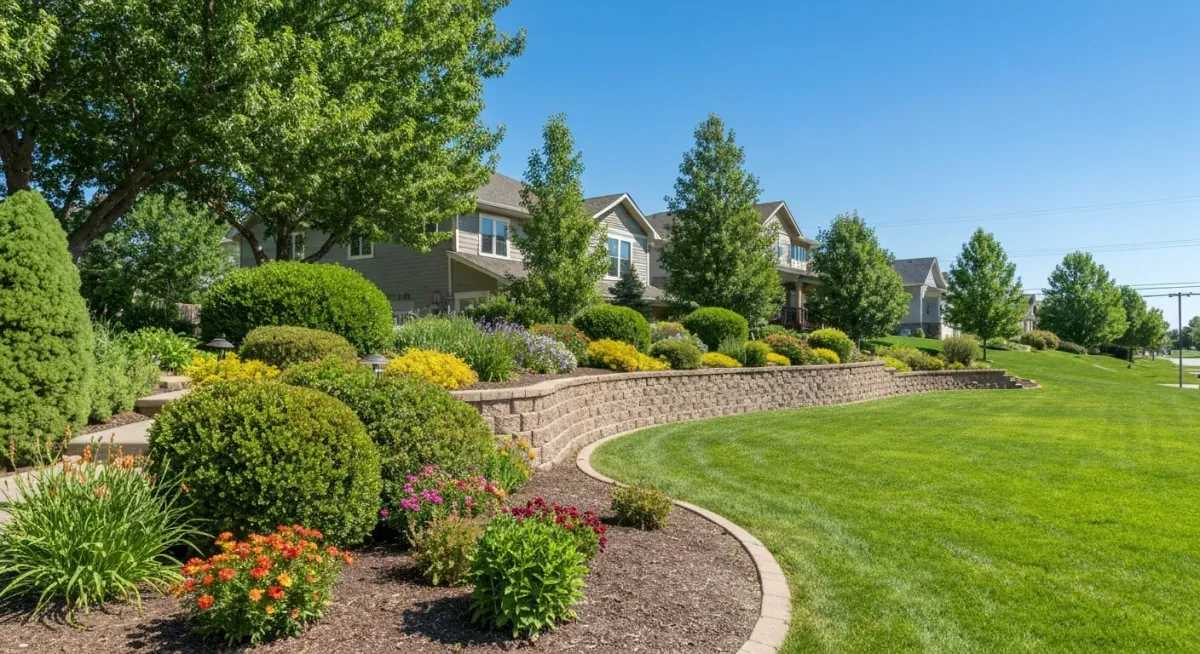
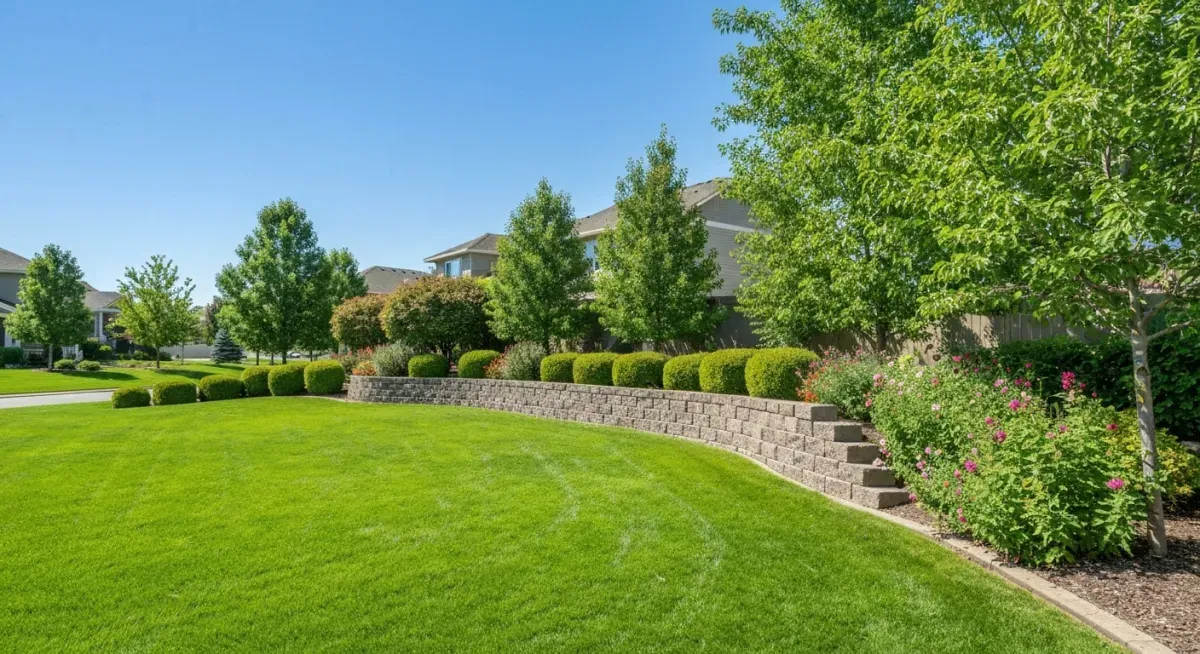
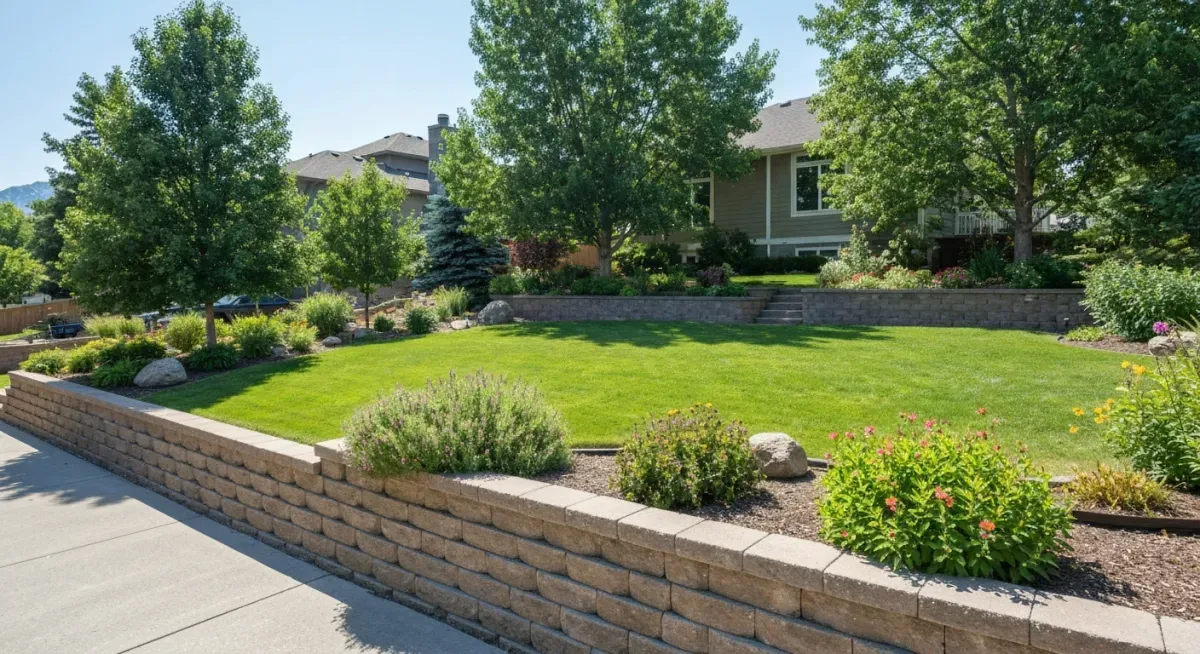
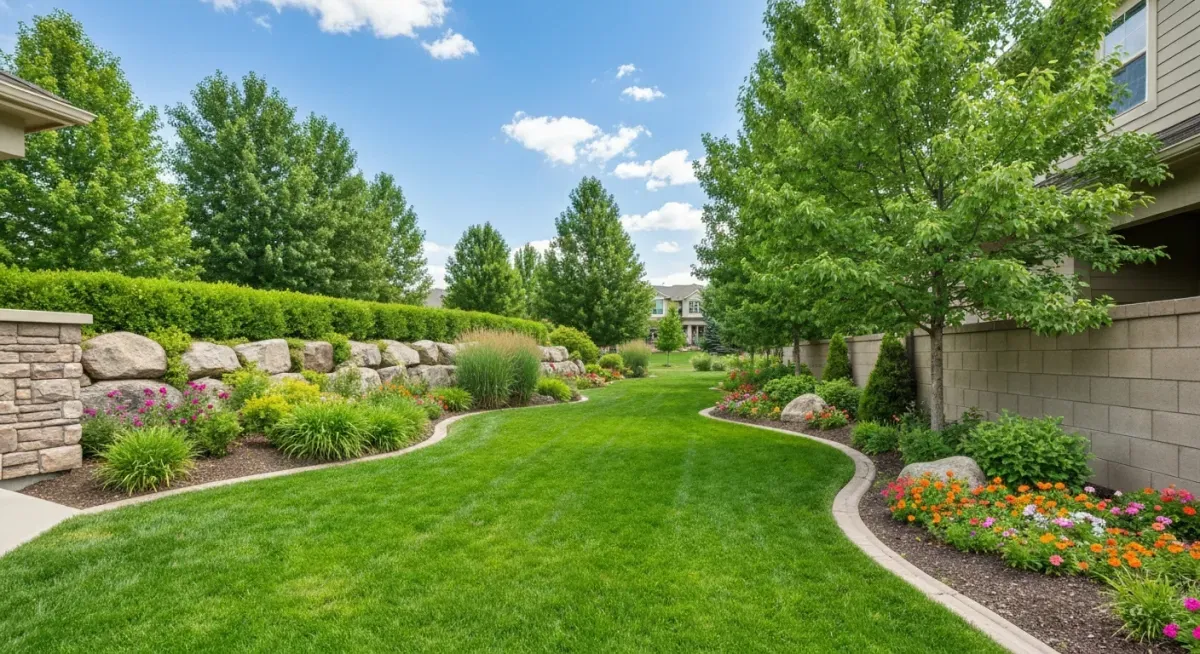
Salt Lake City homeowners face unique terrain challenges. The foothills of the Wasatch Mountains create stunning views but also sloped lots that demand structural solutions. Understanding retaining wall cost in Utah helps you budget accurately before breaking ground.
Whether you're managing erosion near Federal Heights or creating usable yard space in the Avenues, retaining walls transform problem slopes into functional outdoor living areas. But costs vary dramatically based on factors most homeowners don't consider until they're deep into the project.
This guide breaks down every cost factor specific to the Salt Lake Valley. You'll learn what drives pricing, what materials work best for our climate, and how to get an accurate estimate for your property.
What Determines Retaining Wall Cost in Utah
No two retaining wall projects cost the same. Several factors combine to create your final price tag. Understanding these variables helps you make informed decisions and avoid budget surprises.
Wall Height and Length Requirements
Height is the biggest cost driver. A 2-foot decorative wall costs a fraction of a 6-foot structural wall. Taller walls require deeper footings, more reinforcement, and engineered designs. A wall over 4 feet in Salt Lake County typically needs permits and professional engineering.
Linear footage multiplies everything. Material costs, labor hours, and equipment time all scale with length. A 50-foot wall doubles the cost of a 25-foot wall, though you may see slight per-foot discounts on larger projects.
Most residential projects in the Salt Lake area range from 3 to 6 feet tall and 20 to 100 linear feet.
Material Selection and Quality
Material choice creates the widest price swings. Basic concrete blocks cost far less than hand-stacked natural stone.
Budget materials include timber, basic concrete blocks, and poured concrete. Mid-range options feature segmental retaining wall blocks with attractive faces. Premium materials include natural stone, large-format architectural blocks, and custom-colored concrete.
Quality affects longevity. Cheaper materials may save money upfront but require replacement sooner. Utah's freeze-thaw cycles punish low-quality materials.
Site Conditions and Accessibility
Easy access means lower labor costs. When equipment can reach your site directly, crews work faster.
Difficult sites cost more. Think narrow side yards, steep hillsides with no road access, or properties surrounded by mature landscaping. Crews may need to hand-carry materials or use specialized equipment.
Existing structures complicate projects. Walls near foundations, utilities, or existing [hardscaping features](/hardscaping) require extra care and planning.
Average Retaining Wall Prices Along the Wasatch Front
These ranges reflect current pricing for professionally installed retaining walls in the Salt Lake City metro area.
Cost Per Square Foot by Material Type
Square footage pricing helps compare options. Calculate square footage by multiplying wall height by length.
- Timber walls: $15 to $25 per square foot installed. Shortest lifespan but lowest upfront cost.
- Concrete block walls: $20 to $35 per square foot installed. Best balance of cost and durability for most Utah homeowners.
- Poured concrete walls: $25 to $45 per square foot installed. Strongest option for serious structural applications.
- Natural stone walls: $35 to $60 per square foot installed. Highest cost but unmatched aesthetics.
A typical 4-foot tall, 40-foot long wall equals 160 square feet. At $25 per square foot, that's $4,000. At $50 per square foot, that's $8,000.
Budget-Friendly vs Premium Options
Budget projects (under $5,000) work for shorter walls under 3 feet using basic materials. These handle light-duty applications like garden bed borders or minor slope management.
Mid-range projects ($5,000 to $15,000) cover most residential needs. Expect quality materials, proper engineering, and walls that handle significant soil pressure.
Premium projects ($15,000 and up) involve tall walls, challenging sites, or high-end materials. These investments add substantial property value and solve major terrain issues.
Popular Retaining Wall Materials for Salt Lake City Properties
Material selection affects more than cost. Each option offers different aesthetics, lifespans, and performance characteristics for Utah conditions.
Concrete Block Walls
Segmental retaining wall blocks dominate the Salt Lake market for good reason.
These interlocking blocks install efficiently and handle our freeze-thaw cycles well. They come in various colors and textures to match your home's style.
Concrete blocks work for walls from 1 to 6 feet or higher with proper engineering. They drain well when installed correctly and require minimal maintenance.
Expect concrete block walls to last 50 years or more. They're the go-to choice for most [retaining wall installations](/retaining-walls) along the Wasatch Front.
Natural Stone Walls
Natural stone provides a premium, timeless appearance. Local options include Utah sandstone, limestone, and granite.
Natural stone costs more due to material expense and labor intensity. Each stone must be individually placed and fitted. Skilled masons charge premium rates.
The payoff is a wall that looks like it's always been there. Natural stone suits historic neighborhoods like the Avenues and Harvard-Yale where aesthetic fit matters.
These walls can last centuries with proper construction. They're an investment in permanent beauty.
Poured Concrete Walls
Poured concrete handles the heaviest loads. When you need pure structural strength, this is your material.
These walls suit situations where space is limited. Poured concrete can be thinner than block walls while providing equal or greater strength.
Finish options include smooth, stamped, or textured surfaces. You can also veneer poured concrete with stone or brick for improved aesthetics.
Construction requires forms, reinforcement steel, and specialized equipment. This drives costs higher than block walls for most residential applications.
Timber Walls
Pressure-treated timber offers the lowest upfront cost. It suits informal settings and shorter walls.
Timber walls work well for garden terracing and landscape beds. They complement rustic home styles and blend naturally with plantings.
The downside is lifespan. Even pressure-treated timber degrades in ground contact. Expect 15 to 20 years before replacement becomes necessary.
For permanent retaining walls in Utah, most contractors recommend other materials. Timber makes sense for temporary solutions or budget-constrained decorative applications.
Hidden Costs to Plan For
The wall itself isn't your only expense. Several additional costs catch homeowners off guard. Plan for these from the start.
Permits and Engineering Requirements
Salt Lake City requires permits for retaining walls over 4 feet tall. Other Wasatch Front cities have similar rules.
Permit fees typically run $100 to $500 depending on wall size and complexity.
Engineering requirements add more. Walls over 4 feet usually need stamped drawings from a licensed engineer. Engineering fees range from $500 to $2,000 for residential projects.
Don't skip permits. Unpermitted walls can block home sales and create liability issues.
Drainage and Waterproofing
Water destroys retaining walls. Proper drainage isn't optional in Utah.
Every professional installation includes drain tile, gravel backfill, and filter fabric. These components prevent water pressure from building behind the wall.
Budget 10 to 15 percent of total wall cost for drainage systems. Skimping here leads to premature failure.
Waterproofing treatments add protection for walls adjacent to structures. This is especially important when walls sit near foundations or basements.
Soil Preparation and Excavation
What's underground matters. Existing soil conditions directly affect project scope.
Rocky soil requires more equipment time and possibly blasting permits. Clay soils need special drainage consideration. Unstable soils may require soil improvement or deeper footings.
Excavation costs vary widely. Simple sites need minimal digging. Complex sites require substantial earthwork before wall construction begins.
Disposing of excavated material adds cost if you can't spread it elsewhere on your property.
How Utah Terrain Affects Your Project Budget
The Salt Lake Valley presents specific challenges. Local knowledge matters when estimating retaining wall costs in Utah.
Hillside and Sloped Lot Challenges
Benches and foothills define many Salt Lake City neighborhoods. Properties in areas like the East Bench or Olympus Cove often need significant retaining systems.
Steep slopes require taller walls or multiple tiered walls. Tiered systems spread the load and often cost less than single tall walls while creating more usable space.
Access on hillside lots typically costs more. Equipment may need to approach from multiple angles. Material delivery becomes complicated.
Consider the full scope. Hillside retaining projects often connect with [landscape design](/landscape-design-build) elements like patios, pathways, and plantings that maximize your new usable space.
Local Soil and Frost Line Considerations
Utah's frost line sits at 30 to 36 inches in the Salt Lake Valley. Footings must extend below this depth to prevent frost heave damage.
Deeper footings mean more excavation and concrete. This baseline requirement affects every wall regardless of material choice.
Soil types vary across the valley. East side properties often have rocky soil. West side sites may encounter clay or high water tables. Soil testing sometimes reveals surprises that affect construction methods.
Local contractors understand these variations. They've built walls across the valley and know what to expect in different neighborhoods.
Getting an Accurate Estimate for Your Property
Online calculators give rough numbers. Accurate pricing requires professional evaluation. Here's how to get estimates you can actually budget from.
Questions to Ask Your Contractor
Start with the basics. Ask if the estimate includes permits, engineering, and drainage. Many quotes exclude these necessities.
Request material specifications. Know exactly what blocks, stone, or timber you're getting. Quality varies widely within each category.
Ask about timeline and payment structure. Understand when work happens and when payments come due.
Inquire about warranties. Reputable contractors stand behind their work. Get coverage terms in writing.
Finally, ask about experience with similar projects. Review photos of completed walls in comparable situations.
Why Onsite Assessments Matter
No contractor can quote accurately from photos alone. Too many variables hide underground and around corners.
During onsite assessments, contractors evaluate access, soil conditions, utilities, and existing structures. They measure actual grades and discuss your goals.
This visit should be free for serious estimates. It protects both parties from surprises during construction.
Get multiple assessments. Three qualified opinions give you confidence in pricing and approach. Beware of estimates far below others. Low bids often indicate cut corners or misunderstood scope.
Professional evaluation from [Pro Landscaping](https://prolandscapingut.com) ensures you understand true retaining wall cost in Utah before committing. We've built walls across the Wasatch Front and know what your specific property requires.
Plan Your Budget, Build It Right
Retaining wall cost in Utah varies from a few thousand dollars to tens of thousands. Your specific price depends on height, length, materials, site conditions, and hidden factors like drainage and permits.
Salt Lake City's terrain makes retaining walls necessary for many properties. Doing it right the first time costs less than rebuilding a failed wall later.
Start with professional assessment. Understand all cost factors. Then invest in quality materials and experienced installation.
Your retaining wall should solve problems and add value for decades. That outcome requires realistic budgeting and proper construction from the start.
Commercial Retaining Wall Contractors in Draper Draper businesses face unique terrain challenges. The city sits at the base of the Wasatch Mountains, where…
Retaining Wall Permit Utah Guide for Salt Lake City Homeowners Building a retaining wall in Salt Lake City requires more than choosing materials and hiring a…
Boulder wall vs. block wall: choosing the right retaining wall. Orem homeowners face a common dilemma when tackling sloped yards. The benches below Mount…