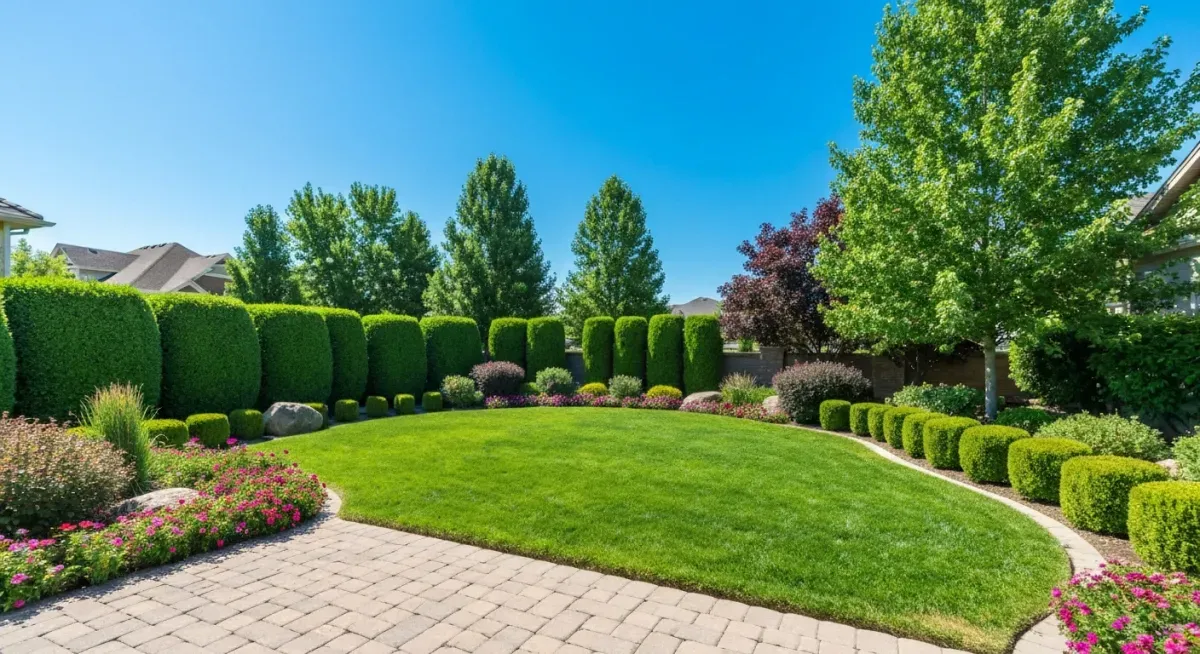
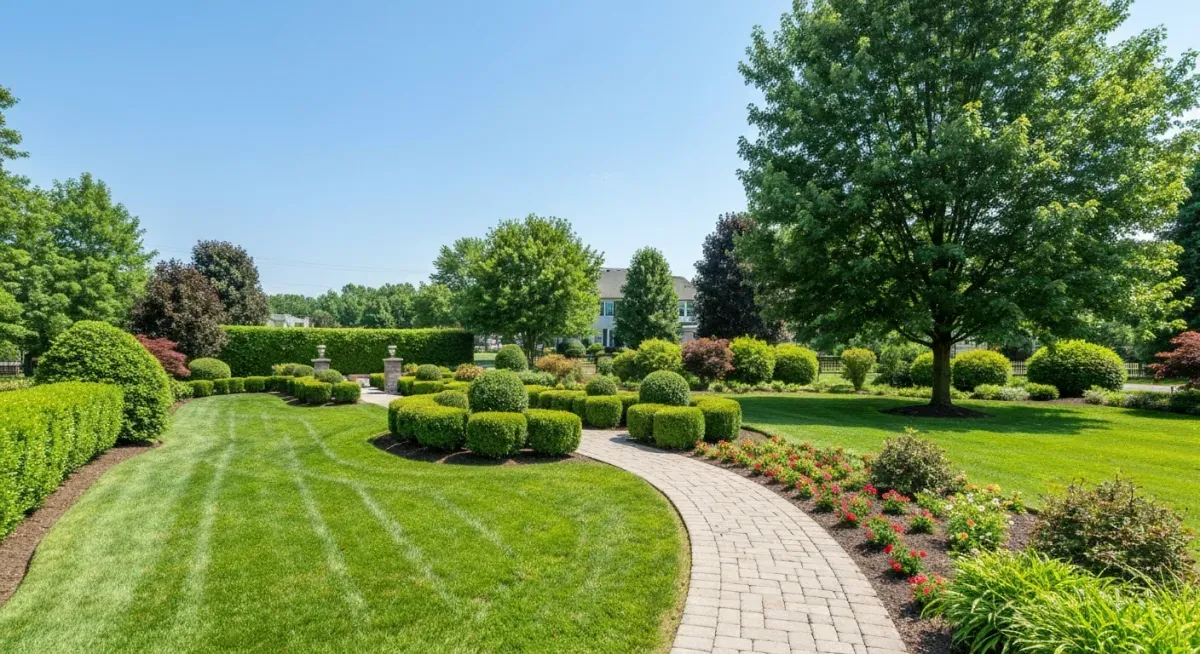
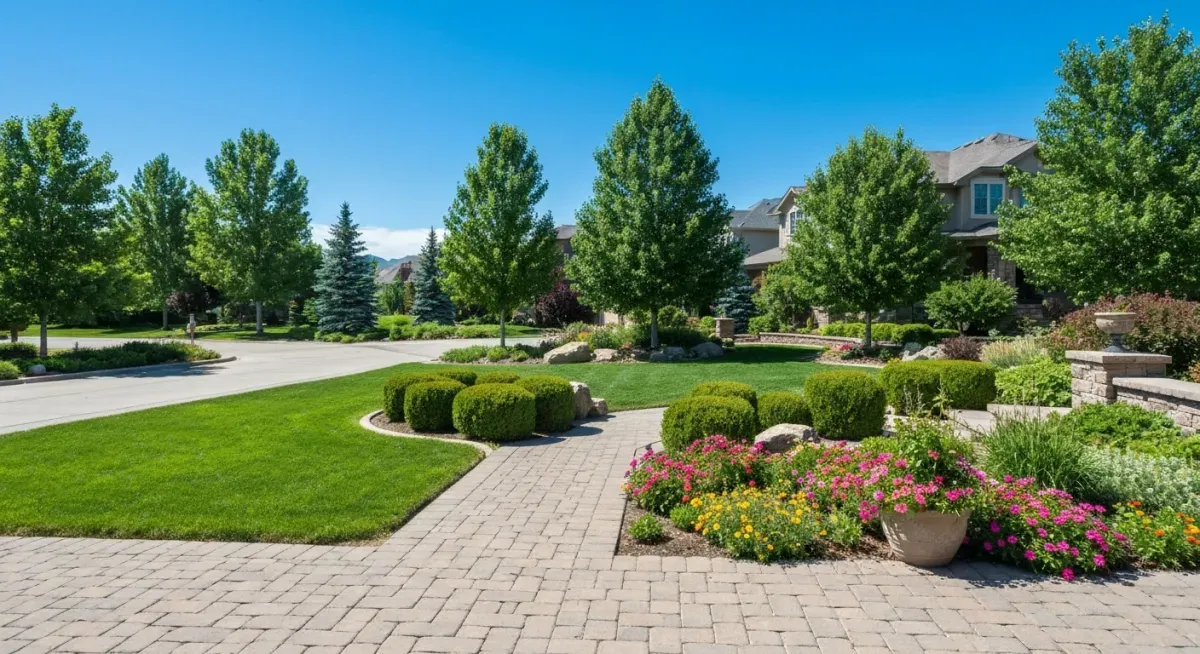
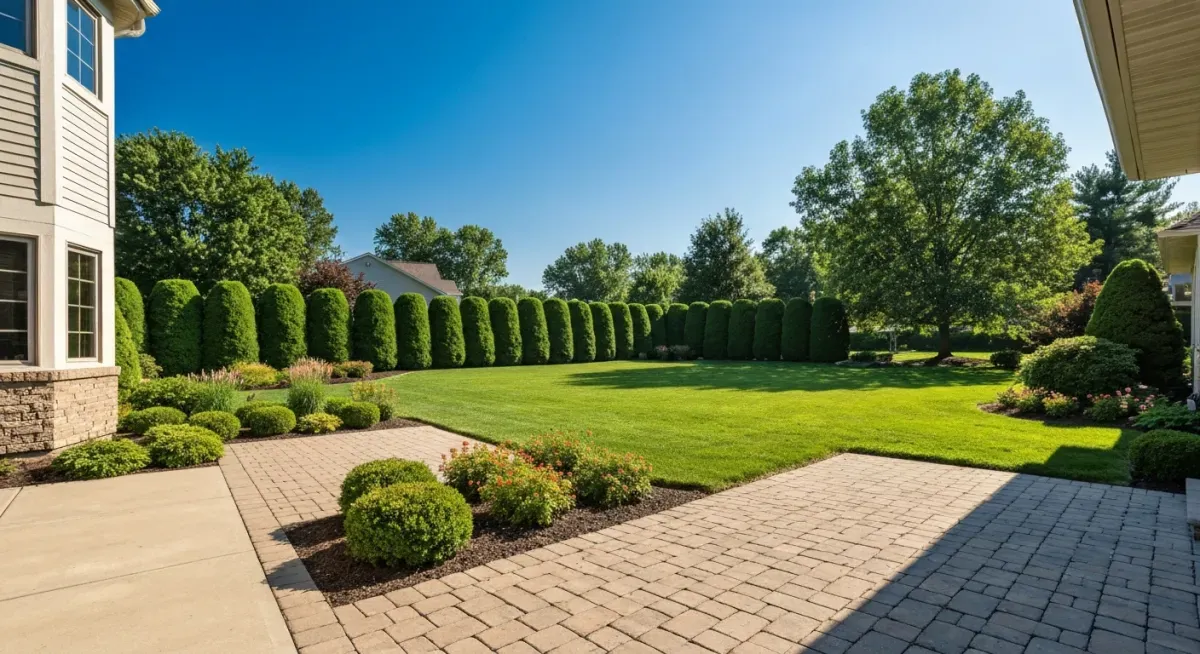
Draper homeowners know their backyards deserve more than basic concrete slabs. With the Wasatch Mountains as your backdrop and the Jordan River Parkway minutes away, outdoor living space matters here. Understanding paver patio cost in Utah helps you plan a project that fits your budget and transforms how you use your property.
Whether you live near Corner Canyon trails or closer to the Draper Historic Park area, this guide breaks down exactly what you can expect to invest in a quality paver patio installation.
What Draper Homeowners Pay for a Paver Patio
Let's talk numbers. Paver patio cost in Utah varies based on project scope, materials, and site conditions. But you deserve clear price ranges before requesting quotes.
Average Cost Per Square Foot in Utah
Most Utah homeowners pay between $18 and $35 per square foot for a professionally installed paver patio. This range includes materials, labor, base preparation, and standard finishing.
Basic concrete pavers on flat ground fall toward the lower end. Natural stone or premium porcelain pavers with complex patterns push toward the higher end.
Here's what that looks like for common patio sizes:
A 200 square foot patio runs $3,600 to $7,000. A 400 square foot patio costs $7,200 to $14,000. A 600 square foot patio ranges from $10,800 to $21,000.
These figures represent standard installations. Special features add to the total.
Small vs Large Patio Price Differences
Larger patios cost more overall. But the per square foot price often decreases.
Why? Setup costs stay relatively fixed. Excavation equipment, delivery fees, and mobilization costs spread across more square footage on bigger projects.
A 150 square foot patio might run $25 per square foot. That same project at 500 square feet could drop to $20 per square foot.
Draper properties often feature sloped lots, especially in neighborhoods like Suncrest or the Hidden Canyon area. Slope correction can offset some of those large project savings. We'll cover that shortly.
Factors That Affect Your Paver Patio Cost
No two paver patio projects cost the same. Several variables determine your final investment.
Paver Material and Style Choices
Material selection drives a significant portion of your budget. Here's how common options compare:
Concrete pavers run $4 to $10 per square foot for materials only. They come in countless colors, shapes, and textures. Extremely durable and the most popular choice for Utah installations.
Natural stone ranges from $15 to $30 per square foot for materials only. Flagstone, travertine, and bluestone create stunning organic looks. Each piece is unique, and premium pricing reflects premium aesthetics.
Porcelain pavers cost $8 to $15 per square foot for materials only. They resist staining and fading, making them excellent for outdoor kitchens or pool surrounds.
Brick pavers fall between $8 and $12 per square foot for materials only. Their classic appearance works beautifully with traditional home styles common in established Draper neighborhoods.
Thicker pavers cost more but handle Utah's freeze cycles better. Most contractors recommend a minimum 2.36 inch thickness for our climate.
Site Preparation and Grading Needs
Flat, accessible backyards require minimal prep. Rocky, sloped, or poorly drained sites need more work.
Site preparation typically includes:
- Excavation and soil removal
- Grading for proper drainage
- Compacted gravel base installation
- Sand bedding layer
Standard excavation adds $2 to $5 per square foot. Significant grade correction or retaining elements can add $8 to $15 per square foot.
Many Draper lots sit on benches cut into hillsides. These properties often need drainage solutions to prevent water from pooling against foundations. Smart contractors factor this into initial quotes.
If your project requires substantial earth moving, consider pairing your patio with a
retaining wall installation to maximize usable space.
Design Complexity and Patterns
A simple running bond pattern installs quickly. Complex herringbone, basketweave, or circular patterns take longer.
Labor accounts for 50 to 60 percent of total paver patio cost in Utah. Intricate designs increase labor hours significantly.
Curved edges cost more than straight borders. Multiple paver colors or sizes add complexity. Inset medallions or custom details require skilled craftsmanship.
Plan on adding 15 to 25 percent for moderately complex designs. Highly detailed custom work can add 30 percent or more.
Popular Paver Patio Features in the Wasatch Front
Basic patios work fine. But Draper homeowners often want more. These additions enhance functionality and entertainment value.
Built-In Fire Pits and Seating Walls
Utah evenings cool down fast, even in summer. Built-in fire pits extend patio use from spring through fall.
A gas fire pit integrated into your paver patio adds $2,000 to $6,000. Wood burning fire pits cost $1,500 to $4,000.
Matching seating walls surrounding the fire area run $75 to $150 per linear foot. A 20 foot curved seating wall adds $1,500 to $3,000.
These features create natural gathering spots. They also add real estate value. Draper buyers expect outdoor amenities.
Outdoor Kitchen Integration
Serious entertainers want cooking capabilities outside. An outdoor kitchen transforms your patio into a true living space.
Basic outdoor kitchen setups start around $8,000. These include a built-in grill, counter space, and storage.
Full outdoor kitchens with refrigeration, sinks, pizza ovens, and premium finishes range from $15,000 to $50,000 or more.
Paver patios provide the perfect foundation for outdoor kitchens. The surface handles heat, resists staining, and complements stone or stucco kitchen structures.
Learn more about
outdoor kitchen design options to envision what's possible for your Draper backyard.
How Utah Weather Impacts Paver Installation
Utah's climate creates unique challenges. Understanding them helps you appreciate why professional installation matters.
Freeze-Thaw Cycles and Base Requirements
Draper experiences over 100 freeze-thaw cycles per year. Ground freezes overnight, thaws by afternoon, then freezes again.
This constant expansion and contraction destroys inadequate installations. Pavers heave, crack, and separate when bases fail.
Proper Utah paver patio installation requires careful attention to several factors. Excavation depth should reach 8 to 12 inches minimum, depending on soil type. The compacted base needs 6 to 8 inches of crushed gravel, compacted in layers. A 1 inch sand bedding layer provides proper seating for pavers. Finally, durable edge restraints prevent spreading over time.
Cutting corners on base preparation saves money initially. It costs far more when repair becomes necessary within a few years.
Professional contractors understand local soil conditions. Much of Draper sits on clay-heavy soil that drains poorly. Proper base construction compensates for this.
Best Time of Year to Install
Utah paver installation works best from late spring through early fall. April through October provides ideal conditions.
Ground needs to be thawed and workable. Temperatures should stay above freezing during installation.
Summer is peak season, with most contractors booked 4 to 6 weeks out by May. Securing your spot in March or April keeps your project on schedule.
Fall installations work well too. Ground remains workable into November in most years. You'll enjoy your new patio when spring arrives.
Winter installation is possible but adds complexity. Frozen ground requires more preparation. Costs increase accordingly.
Getting an Accurate Estimate for Your Draper Project
Online calculators provide ballpark figures. Accurate pricing requires professional assessment.
What to Expect During a Consultation
Quality contractors visit your property before quoting. This visit reveals critical details that affect pricing.
During a consultation, expect the contractor to:
- Measure the project area precisely
- Assess soil conditions and drainage patterns
- Note access challenges for equipment and materials
- Identify existing utilities or obstacles
- Discuss your design preferences and budget
- Review material samples and options
A thorough consultation takes 30 to 60 minutes. Contractors who quote over the phone without site visits often miss important factors.
At Pro Landscaping, site consultations are standard. We believe accurate quotes come from understanding your specific property and goals. View examples of our work in the
project gallery before scheduling.
Questions to Ask Your Contractor
Not all quotes are equal. Ask these questions to compare accurately:
What does the quote include? Confirm it covers excavation, base materials, pavers, edging, labor, and cleanup.
What base depth and materials will you use? Remember, Utah requires robust bases for longevity.
How long is the warranty? Quality installations should include at least a 2 year workmanship warranty.
What happens if weather delays the project? Understand the contingency plan.
Who handles permits if required? Some Draper projects need approval. Ask about the process.
What is the payment schedule? Standard practice involves a deposit with balance due at completion.
Get quotes from at least three contractors. Compare scope, not just price. The lowest bid often excludes essential components.
Check references and insurance. Ask about Utah-specific experience. A contractor who has worked throughout the Wasatch Front understands local conditions.
Ready to discuss your project?
Contact Pro Landscaping to schedule your consultation.
Your Paver Patio Investment
Paver patio cost in Utah represents a significant investment in your Draper home. Most homeowners spend between $8,000 and $20,000 for a quality installation.
That investment returns value in multiple ways. Your outdoor living space expands. Your home's resale value increases. Your daily enjoyment of your property improves dramatically.
The mountains surrounding Draper deserve to be appreciated from a beautiful outdoor space. A professionally installed paver patio gives you exactly that.
Start with realistic budget expectations. Factor in the features that matter to your lifestyle. Choose a contractor who understands Utah's unique climate challenges.
Your backyard transformation awaits.