Farmington homeowners know the challenge. Your property sits against the stunning Wasatch foothills, but that slope in your backyard limits what you can do with the space. A hillside retaining wall transforms that unusable terrain into functional outdoor living area while protecting your home from the erosion that plagues properties along the Farmington Creek watershed. The terrain from Farmington Canyon down through residential neighborhoods creates unique landscaping challenges. Slopes that seem manageable during dry months become liability concerns when spring runoff arrives. The right hillside retaining wall system addresses these issues while adding significant value to your property.
Why Farmington Properties Need Hillside Retaining Walls
The geography that makes Farmington beautiful also creates structural challenges for homeowners. Properties along 200 North, the foothills near Farmington Pond, and neighborhoods climbing toward the canyon all deal with varying degrees of slope management issues.
Managing Steep Terrain Along the Wasatch Foothills
Farmington sits at the base of the Wasatch Range where elevation changes happen quickly. Many properties have grade changes of 10 feet or more within their lot boundaries. This steep terrain makes traditional landscaping impossible without proper retaining wall structures. A hillside retaining wall holds back soil at the cut line, creating level spaces where none existed. Properties near the Bonneville Shoreline Trail see some of the most dramatic elevation changes. Homeowners in these areas often lose half their backyard to unusable slope. The soil composition along the Wasatch Front adds complexity. Clay-heavy soils expand and contract with moisture levels. Sandy soils near the old Lake Bonneville shoreline drain differently than the clay deposits lower in the valley. Both conditions require specific engineering approaches for hillside retaining walls.
Protecting Your Home from Soil Erosion and Runoff
Water flowing down Farmington's slopes carries soil with it. Without proper intervention, this erosion undermines foundations, damages landscaping, and deposits sediment where you don't want it. The spring snowmelt from Farmington Canyon sends significant water through residential areas every year. A properly engineered hillside retaining wall redirects water flow away from structures. It stabilizes soil that would otherwise migrate downhill during heavy rain events or rapid snowmelt. Properties that have experienced foundation issues due to slope runoff often find that retaining wall installation solves the root problem. Erosion control becomes critical on steeper grades. Walls built with integrated drainage systems capture water before it gains destructive momentum. This protects both the wall structure and the property below.
Best Retaining Wall Materials for Utah Hillsides
Material selection affects everything from structural integrity to aesthetic appeal. Utah's freeze-thaw cycles, alkaline soils, and intense sun exposure demand materials that can handle harsh conditions. The best retaining wall materials for Utah balance durability with visual appeal.
Concrete Block Systems for Lasting Strength
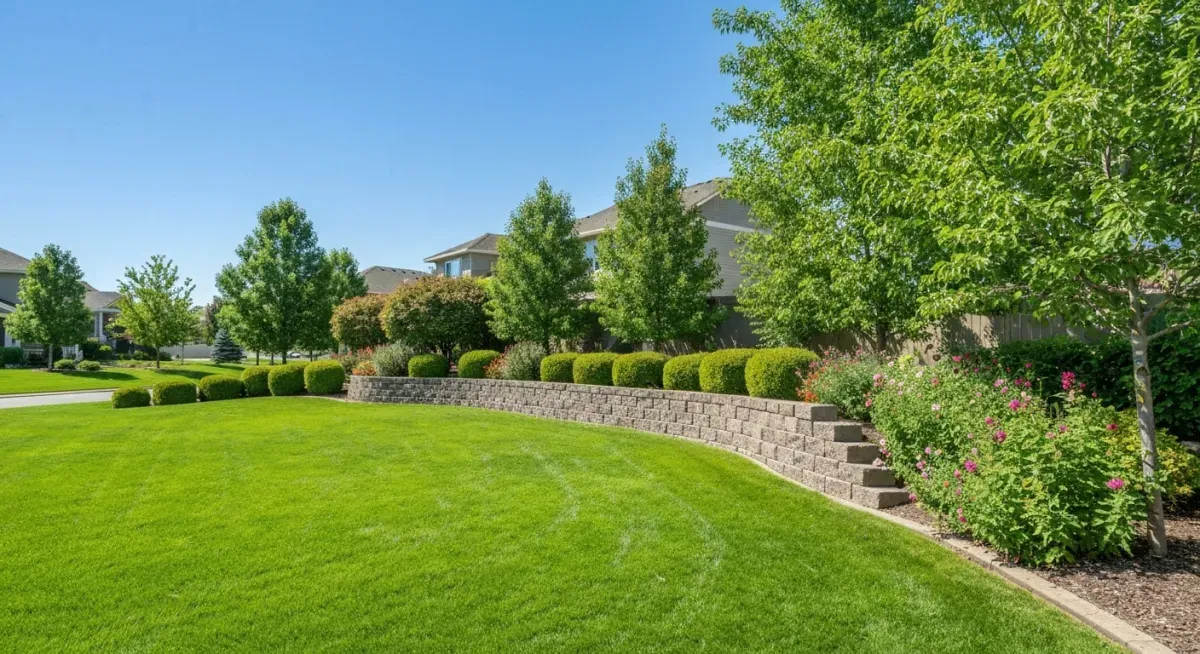
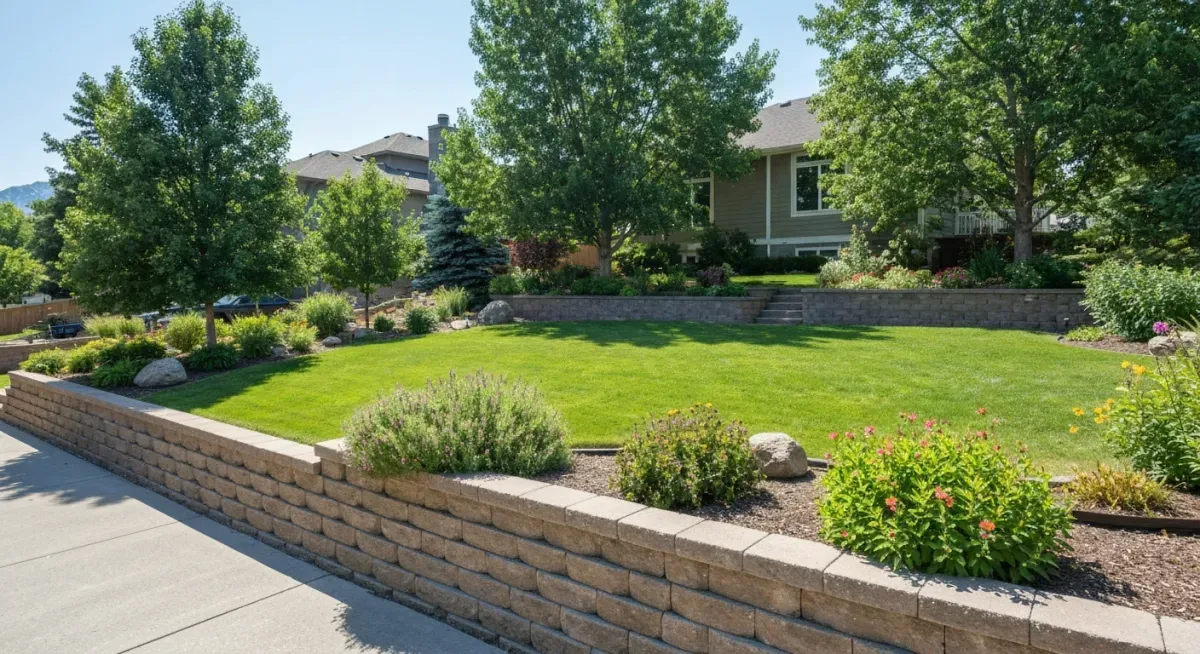
Engineered concrete block systems dominate hillside retaining wall construction for good reason. These interlocking units create walls that gain strength from their design. The blocks connect to each other and anchor into the hillside using geogrid reinforcement. Modern concrete blocks come in colors and textures that mimic natural stone. They handle the load requirements that hillside applications demand. A well-built concrete block wall can hold back thousands of pounds of soil pressure per linear foot. The uniformity of manufactured blocks makes engineering calculations predictable. Contractors know exactly how each unit will perform under load. This reliability matters when you're building walls that will support soil weighing over 100 pounds per cubic foot.
Natural Stone Options That Blend with Local Landscapes
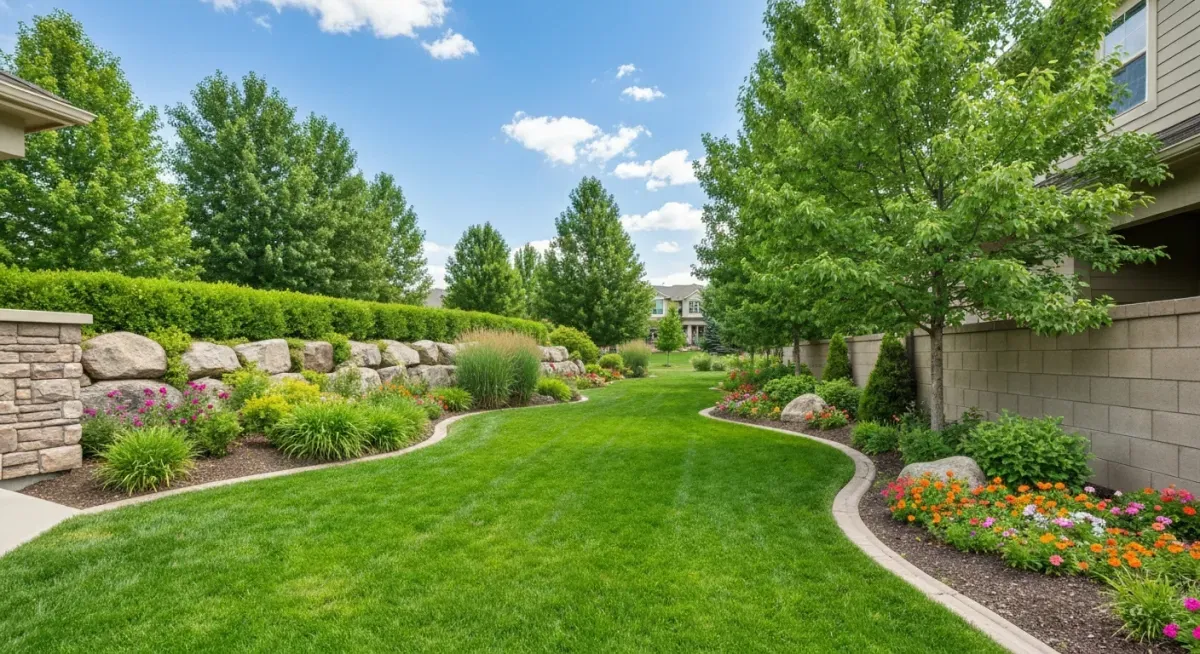
Natural stone walls complement Farmington's mountain setting. Utah sandstone, quartzite, and limestone all work for retaining wall applications. These materials age beautifully and blend with the surrounding Wasatch landscape. Stone requires more skill to install properly. Each piece must be selected and placed to create structural integrity. The irregular shapes mean more labor hours compared to block systems. However, the final result creates an organic appearance that manufactured products cannot match. Cost runs higher for natural stone hillside retaining walls. The material itself costs more, and installation takes longer. Many homeowners choose stone for visible sections and use concrete block for areas that will be covered by landscaping.
How Hillside Retaining Walls Are Built
Building a hillside retaining wall involves more than stacking blocks or stones. The process requires careful planning, proper engineering, and correct installation techniques. Understanding this process helps homeowners know what to expect from their contractor.
Site Assessment and Engineering Requirements
Every hillside retaining wall project starts with site evaluation. The contractor examines soil conditions, measures slope angles, and identifies drainage patterns. Walls over four feet tall typically require engineered drawings stamped by a licensed professional. Soil testing reveals load-bearing capacity and composition. Clay soils behave differently than sandy or rocky ground. The presence of underground water, old tree roots, or buried utilities all affect wall placement and design. Survey work establishes exact elevations and property boundaries. Building a wall in the wrong location creates legal problems with neighbors and code enforcement. Professional contractors verify these details before breaking ground.
Drainage Systems That Prevent Wall Failure
Drainage makes or breaks hillside retaining walls. Water accumulating behind a wall creates hydrostatic pressure that can topple even well-built structures. Proper drainage systems relieve this pressure before it becomes destructive. Perforated drain pipes run along the base of the wall behind a bed of gravel. This French drain system collects water seeping through the soil and directs it away from the wall. Weep holes at regular intervals allow additional drainage through the wall face. Gravel backfill behind the wall blocks drains freely. This prevents water from pooling against the wall structure. The gravel layer typically extends 12 inches or more behind the wall face, depending on wall height and local conditions.
Building in Tiers for Maximum Stability
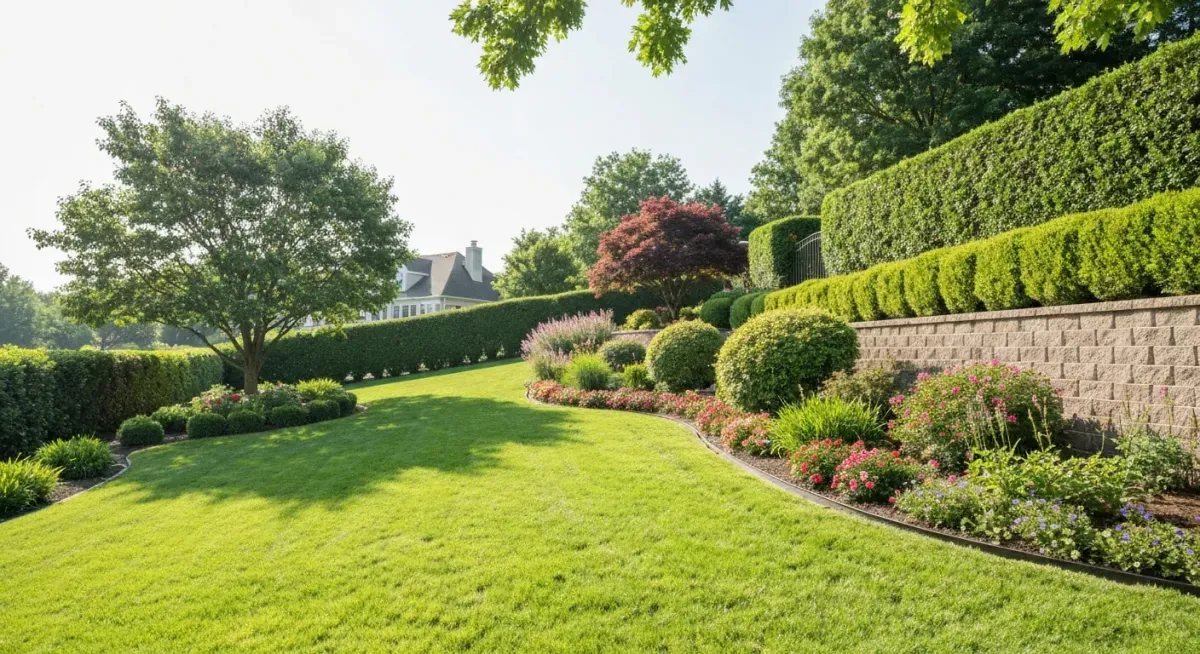
Tall hillside retaining walls often work better as tiered systems. Instead of one 12-foot wall, builders construct three 4-foot walls with level areas between them. This tiered approach offers several advantages for hillside applications. Each tier supports less soil pressure than a single tall wall would face. The setback between tiers reduces overall load requirements. Engineering becomes simpler and construction costs often drop compared to a single massive structure. Tiered walls create planting opportunities between levels. These intermediate spaces become natural garden beds. The visual effect breaks up large vertical surfaces and makes the wall system feel integrated with the landscape rather than imposed upon it.
Turning Your Hillside Retaining Wall into Usable Space
The functional purpose of a hillside retaining wall is creating level ground. What you do with that ground determines the real value of your investment. Quality hardscaping transforms retained areas into genuine outdoor living spaces.
Creating Terraced Garden Beds and Planting Areas
Terraced hillsides become showcase gardens. Each level provides planting space with excellent drainage. Utah's native plants thrive in these conditions, as do ornamental varieties that appreciate the improved soil management. The wall faces themselves become planting opportunities. Trailing plants cascade down from upper levels. Alpine species that naturally grow on rocky slopes feel at home in the crevices and pockets of natural stone walls. Irrigation installation becomes straightforward on terraced hillsides. Each level operates as its own zone with appropriate water coverage. The natural drainage between tiers prevents overwatering problems that plague flat plantings.
Adding Patios and Outdoor Living Features
That level space behind your hillside retaining wall accommodates outdoor living features. Paver patios and walkways installed on retained terraces provide entertainment areas with dramatic views of the surrounding landscape. Fire pits, outdoor kitchens, and seating areas all work on terraced hillsides. The natural elevation changes create visual interest and defined spaces. Upper terraces might host dining areas while lower levels accommodate fire features or gardens. Swimming pools require more extensive engineering but remain possible on retained hillside lots. The wall system supporting a pool must account for the additional weight and water pressure. Proper planning makes these ambitious projects achievable.
What Farmington Homeowners Should Know Before Starting
Starting a hillside retaining wall project requires preparation beyond picking materials and colors. Understanding local requirements and finding the right contractor prevents problems that delay projects and increase costs.
Local Permit and Code Requirements
Farmington City requires permits for retaining walls over four feet tall. Walls closer than five feet to property lines face additional setback requirements. The permitting process ensures your wall meets safety standards and won't create problems for neighboring properties. Engineering requirements kick in at specific height thresholds. Walls supporting driveways, structures, or other loads may need engineering review regardless of height. Your contractor should handle permit applications as part of the project scope. Inspections occur at key construction phases. The footing inspection happens before concrete is poured. Backfill inspection verifies proper drainage installation. Final inspection confirms the completed wall matches approved plans. Building without permits creates liability issues and can affect property sales.
Choosing the Right Contractor for Hillside Projects
Hillside retaining wall construction requires specific expertise. Not every landscaping contractor has experience with the engineering, drainage, and structural requirements these projects demand. The complexity increases significantly compared to decorative walls on flat ground. Ask potential contractors about their experience with hillside applications specifically. Request references from similar projects in Farmington or surrounding Davis County communities. Verify their insurance covers structural work, not just landscaping. A qualified contractor provides detailed proposals that specify materials, drainage systems, and engineering when required. They pull permits and schedule inspections without being prompted. They answer technical questions with confidence rather than vague assurances. Professional retaining wall contractors understand the full scope of hillside projects. They anticipate challenges before construction begins. They warranty their work because they build it correctly the first time. Your Farmington hillside presents challenges, but it also offers opportunities. The right hillside retaining wall system transforms problem terrain into premium outdoor living space. It protects your home while adding functional square footage to your property. The investment returns value through both improved usability and increased property worth. ```