Orem homeowners face a common dilemma when tackling sloped yards. The benches below Mount Timpanogos create stunning views but challenging terrain. Choosing between a boulder wall vs block wall can feel overwhelming. Both options handle grade changes effectively. Both last for decades when installed correctly. But they serve different purposes, budgets, and aesthetic goals. This guide breaks down everything you need to know to make the right choice for your Orem property.
What Makes These Retaining Wall Types Different
The fundamental difference comes down to construction method and material source. Boulder walls use natural stone. Block walls use manufactured units. This distinction affects everything from installation to long-term performance. Understanding how each wall type goes together helps you appreciate their strengths and limitations.
How Boulder Walls Are Built
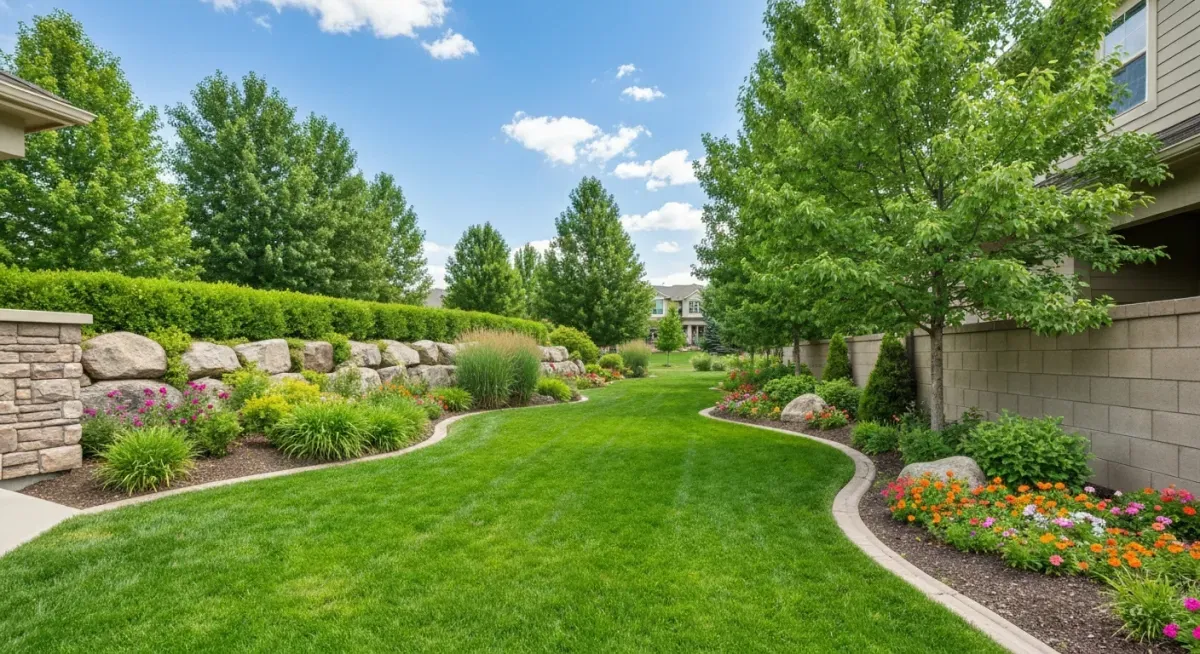
Boulder walls rely on gravity and mass. Large natural stones, typically weighing 500 to 2,000 pounds each, stack against the hillside. The irregular shapes lock together like puzzle pieces. No mortar holds them in place. Their sheer weight keeps them stable. Installation requires heavy equipment and skilled operators who understand how stones fit together. Each boulder wall is unique. Contractors select individual stones based on shape, size, and how they'll nest with neighboring rocks. The process moves slower than block installation. But the results create an organic, timeless appearance. Most Orem boulder walls use Utah limestone or sandstone. These local materials blend naturally with the Wasatch Front landscape. You'll see them throughout neighborhoods near the Bonneville Shoreline Trail, where homes embrace the mountain aesthetic.
How Block Walls Are Constructed
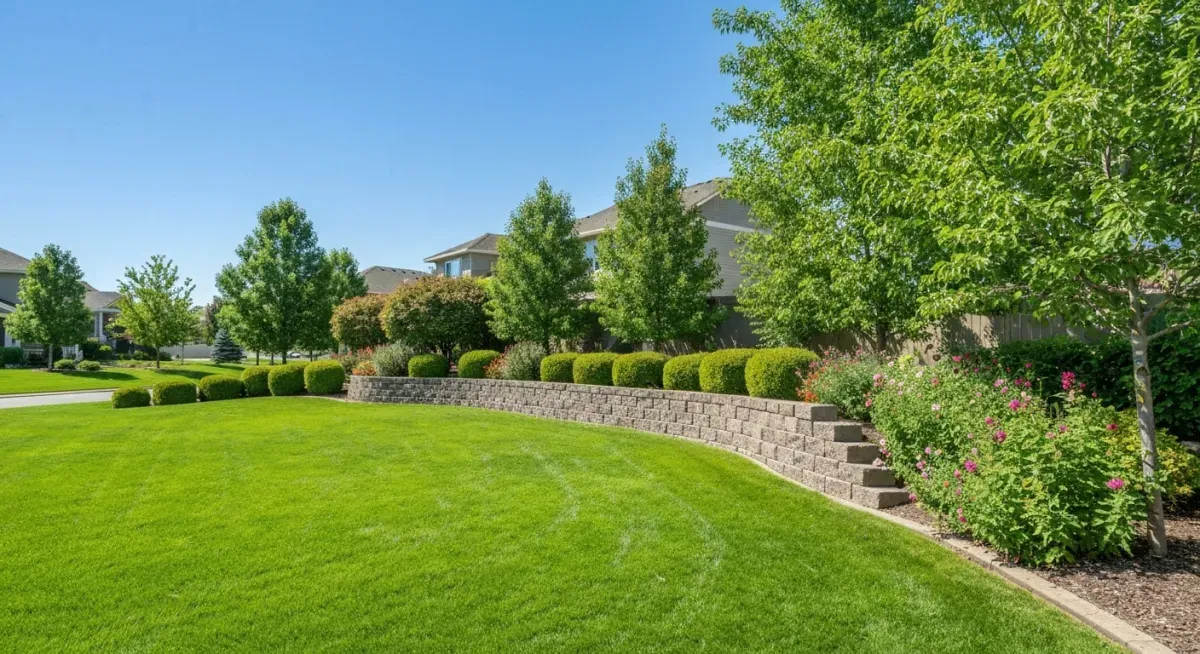
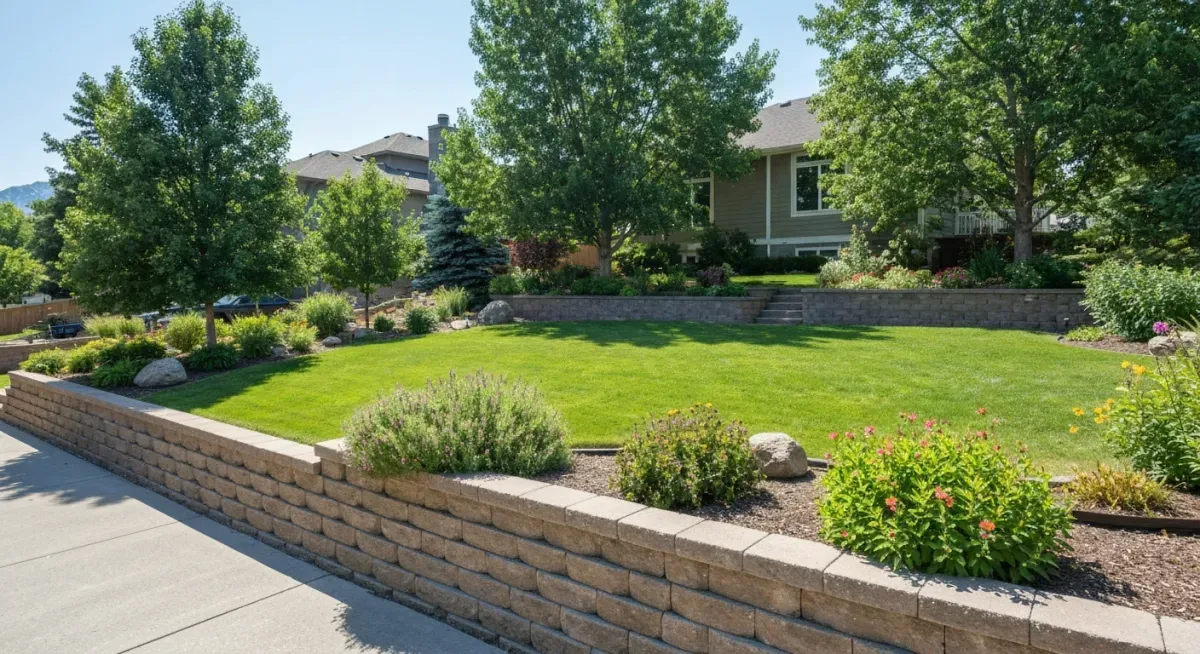
Block walls follow an engineered system. Manufactured concrete units interlock through lips, pins, or channels. Every block matches perfectly in size and shape. Installation starts with a compacted gravel base. Workers lay the first course level, then stack subsequent rows with a slight setback. This batter angle increases stability. Geogrid reinforcement extends into the hillside at specific intervals. These synthetic mesh layers tie the wall to the retained soil. The system allows block walls to reach greater heights than boulder alternatives. Block manufacturers offer dozens of colors, textures, and profiles. Some mimic natural stone. Others present a clean, contemporary look. The consistent dimensions make planning straightforward and installation predictable.
Comparing Costs for Orem Homeowners
Budget matters. Understanding the full financial picture helps you choose wisely between a boulder wall vs block wall for your property.
Material and Labor Price Differences
Boulder walls typically cost more per linear foot. Raw materials aren't cheap. Quarrying, transporting, and handling massive stones requires specialized equipment. Expect to pay $35 to $60 per square face foot for a professionally installed boulder wall in Orem. Complex sites or premium stone selections push costs higher. Block walls range from $25 to $45 per square face foot installed. The engineered system speeds construction. Predictable material quantities reduce waste. Labor hours drop compared to boulder installation. However, taller block walls need extensive reinforcement. Once you exceed four feet, geogrid, drainage systems, and engineering requirements add significant cost. The gap between boulder and block pricing narrows on larger projects.
Long-Term Maintenance Expenses
Boulder walls require minimal upkeep. Natural stone doesn't fade, chip, or deteriorate like manufactured products. You might need to clear vegetation from joints occasionally. That's about it. Some settling occurs over the first few years. A skilled contractor anticipates this during installation. Quality boulder walls actually tighten up as stones settle into their final positions. Block walls demand more attention. Manufactured concrete faces can spall in harsh conditions. Color fades over time, especially with lower-quality products. Weeds find their way into joints. Replacing damaged blocks is straightforward if you can find matching units. Manufacturers sometimes discontinue colors or styles. Keep spare blocks from your original project just in case. Both wall types need functional drainage systems. Clogged weep holes or failed drain pipes cause problems regardless of material choice. Budget for occasional drainage maintenance.
Which Wall Works Best on Wasatch Front Slopes
Orem's terrain presents specific challenges. The right wall type depends on your site conditions.
Drainage and Soil Considerations
Water is the enemy of all retaining walls. Hydrostatic pressure builds behind walls when drainage fails. This pressure causes leaning, cracking, and eventual collapse. Boulder walls handle water naturally. Gaps between stones allow moisture to escape continuously. No separate drainage system is technically required, though adding one improves performance. Block walls trap water unless properly engineered. Drain pipe behind the wall, gravel backfill, and filter fabric are essential. Every block wall needs these components to function long-term. Orem soils vary dramatically. Bench areas near the mountains often have gravelly, well-draining material. Valley floor properties deal with clay that holds moisture and expands. Your soil type influences which wall performs better. Clay soils create extra lateral pressure. Block walls with geogrid reinforcement handle this load effectively. Boulder walls may need to be more massive to resist the same forces.
Height and Structural Limits
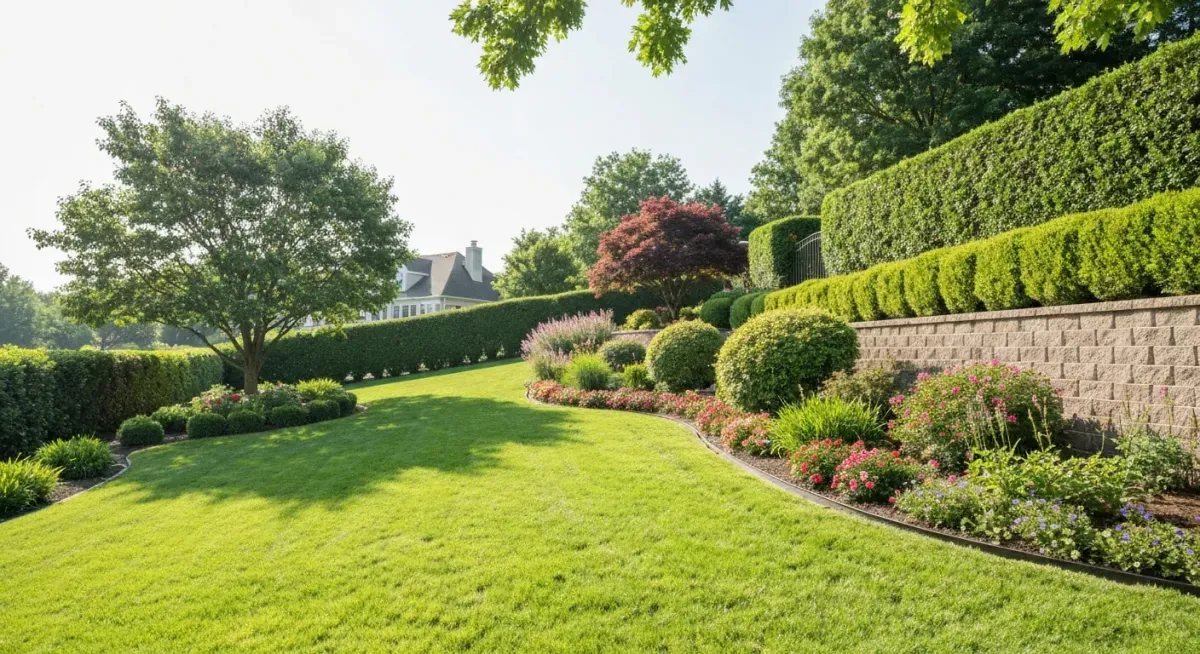
Boulder walls work best under six feet tall. Beyond that height, stone mass becomes impractical. You'd need enormous boulders and extensive excavation. For slopes requiring taller retention, terraced boulder walls offer a solution. Multiple shorter walls step up the hillside. Each wall handles a manageable grade change. Planting beds between tiers soften the visual impact. Block walls reach much greater heights. Properly engineered systems retain ten feet or more in a single structure. The geogrid reinforcement carries loads that gravity alone can't handle. Many Orem properties near 800 North or along the foothills need significant grade management. A professional retaining wall installation can assess whether your site suits boulder construction or requires an engineered block system.
Matching Your Wall to Orem Home Styles
Curb appeal matters. Your retaining wall should complement your home's architecture and the surrounding landscape.
Natural Boulder Aesthetics
Boulder walls suit mountain contemporary, rustic, and craftsman homes perfectly. The organic shapes echo the Wasatch Range backdrop. Natural stone ages gracefully, developing character over decades. Colors range from warm sandstone tans to cool gray limestone. Utah quarries produce beautiful variety. Skilled contractors blend multiple stone types for visual interest. Boulder walls integrate beautifully with native landscaping. Shrubs and perennials soften edges. Moss and lichen eventually colonize stone surfaces in shaded areas. The wall becomes part of the landscape rather than an obvious structure. Neighborhoods like Cascade Mountain Estates and Carterville embrace this aesthetic. Homes there often feature extensive boulder work throughout their outdoor spaces.
Clean Block Wall Designs
Block walls complement modern, contemporary, and transitional architecture. Uniform lines and consistent textures create a polished appearance. Smooth-faced blocks suit minimalist landscapes. Split-face textures add visual weight without looking busy. Tumbled blocks mimic aged stone while maintaining dimensional consistency. Color selection affects everything. Dark charcoal blocks disappear into landscaping. Tan and buff tones warm the space. Gray provides neutral sophistication. Many newer Orem developments along Sandhill Road feature block retaining walls. The clean aesthetic matches contemporary home designs. Proper hardscaping design ties walls, patios, and walkways into cohesive outdoor living spaces.
How Orem Weather Affects Wall Performance
Utah's climate tests outdoor structures relentlessly. Both wall types must handle extreme temperature swings and significant moisture.
Freeze-Thaw Cycles and Durability
Orem experiences dozens of freeze-thaw cycles annually. Water penetrates materials, freezes, expands, and causes damage. This process accelerates deterioration over time. Natural boulder proves exceptionally freeze-thaw resistant. Utah limestone and sandstone have survived millions of years of local conditions. Proper stone selection eliminates concern about weather damage. Block quality varies dramatically. Premium manufacturers engineer their products for harsh climates. Budget blocks from big box stores may deteriorate within years. Always specify freeze-thaw rated blocks for Orem projects. The slight cost increase pays dividends in longevity. Cheap blocks crack, spall, and look terrible after a few winters.
Snow Load and Water Runoff
Heavy snowpack builds against retaining walls each winter. Spring melt sends significant water toward foundations and structures. Boulder walls shed this moisture effortlessly. Gaps between stones prevent water accumulation. Snow slides off irregular surfaces rather than packing against the wall face. Block walls need robust drainage to handle spring runoff. Weep holes at the base must remain clear. Drain pipes behind the wall carry water to daylight or storm systems. Grading matters tremendously. Water flowing toward your wall from upslope areas overwhelms even excellent drainage. Proper site preparation addresses surface water before it reaches your retaining structure.
Choosing the Right Wall for Your Project
The boulder wall vs block wall decision depends on your specific situation. Consider these factors carefully. Choose boulder walls when you want natural aesthetics, have modest height requirements, and prefer minimal maintenance. Boulder works beautifully for walls under six feet that complement mountain landscapes. Choose block walls when you need significant height, want consistent modern aesthetics, or face challenging soil conditions. Engineered block systems handle demanding structural requirements that boulder can't match. Budget constraints sometimes decide the question. Block walls cost less for most residential projects. But boulder walls deliver distinctive character that manufactured products can't replicate. Your contractor's expertise matters enormously. Boulder installation requires artistry and experience. Block installation demands engineering knowledge and precision. Choose someone skilled in your preferred material. Orem's varied terrain supports both options beautifully. Hillside properties gain usable space with proper retention. Flat lots use shorter walls to define spaces and add visual interest. Ready to explore options for your property? Contact Pro Landscaping's Orem team for an assessment. We'll evaluate your slope, soil, and aesthetic goals to recommend the ideal solution. The right retaining wall transforms problem terrain into beautiful, functional outdoor space. Whether you choose natural boulder or engineered block, quality installation ensures decades of performance. Your Orem yard deserves a wall that works as hard as it looks. ```